Your Gut Microbiome and Your Brain: The Lifelong Connection
by Mary Ferrari
“Human milk oligosaccharides (HMOs), unique sugars found in breast milk, help shape a beneficial gut microbiome while supporting brain development, reducing inflammation, and encouraging immune tolerance.”
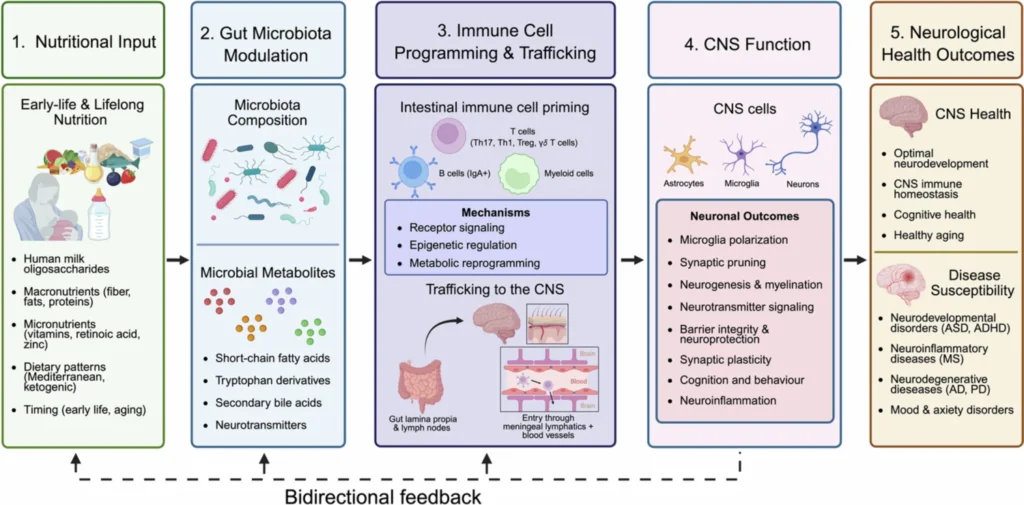
What if the health of your brain depends, in part, on what happens in your gut? Growing research reveals that the gut microbiome, immune system, and brain are closely connected in the gut-brain-immune axis. It is a two-way communication network that influences brain development, memory, learning, inflammation, and the risk of neurological disease. One of the most important findings is that nutrition helps control this relationship throughout life, beginning in infancy.
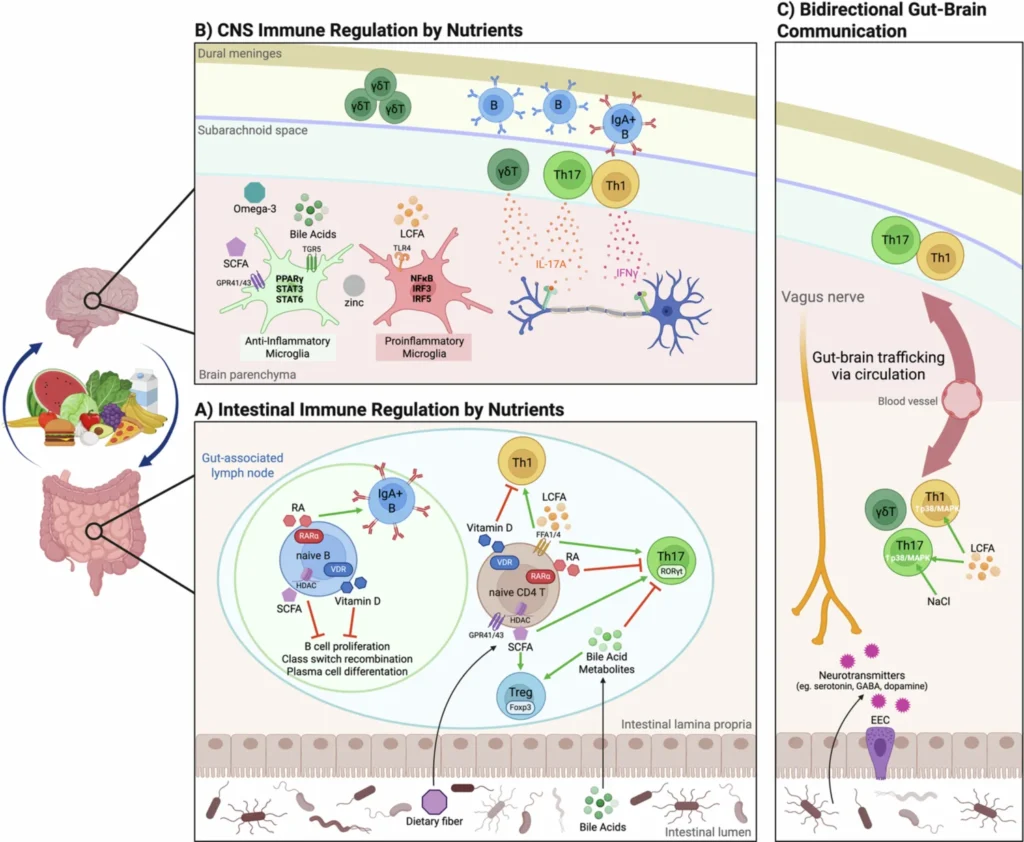
The gut-brain-immune connection is a powerful communication network linking the microbes in our digestive system with the immune system and the brain and together these systems help guide brain development, maintain balance throughout the body, and influence the risk of disease. Nutrition plays an especially important role early in life. Human milk oligosaccharides (HMOs), unique sugars found in breast milk, help shape a beneficial gut microbiome while supporting brain development, reducing inflammation, and encouraging immune tolerance. As gut bacteria break down dietary nutrients, they produce compounds such as short-chain fatty acids, tryptophan derivatives, and secondary bile acids. These substances influence brain immune cells, support other nervous system cells, help direct T-cell development, affect neurotransmitter production, and communicate with the brain through the vagus nerve. In addition these signals can influence the formation of brain connections, the growth of new neurons, and the body’s inflammatory response. Immune cells also communicate directly with the brain. Certain T cells located around the brain and those that enter the central nervous system release signaling molecules, including IL-4, IFN-gamma, and IL-17A, that can influence how the brain responds to immune activity. When nutrition and microbial balance are disrupted, inflammatory immune responses may become more pronounced. Researchers are investigating how these changes may contribute to conditions such as multiple sclerosis, Alzheimer’s disease, and autism spectrum disorders. Nutrition also matters as we age if we have established proper development, a balanced diet may help counter chronic, low-grade inflammation often called inflammaging by influencing the metabolism and activity of immune cells in the brain and throughout the body. The message is clear: what we eat can influence the relationship between our gut microbes, immune system, and brain at every stage of life.
The story starts at birth with the very first diet, during early development, the gut microbiome helps train the immune system while also supporting the growing brain. Breast milk contains special sugars called human milk oligosaccharides (HMOs), which help beneficial bacteria like bifido colonize and support a healthy intestinal environment. One particular HMO, 2′-fucosyllactose (2′-FL), has attracted attention for its potential effects on brain health. Research in animals found that 2′-FL improved connections between brain cells involved in learning and memory. It also helped reduce harmful inflammation by encouraging microglia, the brain’s immune cells, to take on a more protective role. These findings suggest that breast milk provides more than nourishment, it also supplies important ingredients that help shape early brain and immune development.
The gut bacteria themselves also play an important role. They produce substances called short-chain fatty acids (SCFAs), including acetate, propionate, and butyrate. These substances are made when bacteria break down dietary fiber. They help regulate immune activity and can influence cells in the brain. In animal studies, SCFAs helped microglia mature and supported the protective barrier that separates the bloodstream from the brain and they can also affect genes involved in brain cell communication and reduce certain inflammatory responses. Butyrate is especially interesting because it can influence how genes are switched on and off, helping support normal cell activity.
Probiotics, including beneficial Lactobacillus and Bifidobacterium bacteria, may support brain health as well as digestion. Studies show that these microbes can help produce protective immune cells, reduce inflammatory responses, strengthen the gut barrier, and increase IgA, an antibody that helps control harmful bacteria. These effects may limit inflammation that reaches the brain. Animal studies have also found benefits in models of multiple sclerosis (MS). Researchers are now studying probiotics for MS, depression, autism, and other brain disorders.
Another important connection involves the immune system’s T cells. Some T cells help fight infections and can promote inflammation, while regulatory T cells, known as Tregs, help prevent excessive immune reactions. The balance between these cells is critical. Gut bacteria and their byproducts can influence how T cells develop and behave. When this balance is disrupted, inflammatory cells travel from the intestines toward the brain and contribute to neurological inflammation.
The vagus nerve provides another communication route. It connects the digestive system with the brain, carrying information about nutrients, gut activity, and inflammation. Gut bacteria can influence signals traveling along this nerve, potentially affecting mood, behavior, and brain function.
As people age, the gut microbiome often loses diversity, beneficial bacteria decline, and inflammation becomes more common. This process may contribute to a condition researchers call inflammaging. Lower production of beneficial microbial substances can further affect immune balance and brain health.
What we eat can influence how the gut, immune system, and brain work together. Early in life, breast milk provides human milk oligosaccharides (HMOs), as we age, vitamins, minerals, and healthy fats continue to shape this connection. Vitamin A helps guide immune cells toward balanced responses, while vitamin D can encourage protective regulatory T cells and reduce certain inflammatory T-cell responses. Zinc also helps control brain immune cells, although its effects depend on the body’s existing conditions. Vitamins C, E, and B6 provide antioxidant support, while omega-3 fatty acids help maintain the gut barrier and support anti-inflammatory activity. Dietary fiber feeds gut bacteria, which produce short-chain fatty acids that help regulate immune cells and brain inflammation. These nutrients work together to influence brain development, memory, and healthy aging. As we get older, changes in gut bacteria and immune function can increase chronic inflammation.
The message is becoming increasingly clear: brain health does not exist in isolation as nutrition, gut bacteria, and immune activity work together from infancy through old age. Protecting the gut microbiome is an important part of supporting a healthier brain and a stronger immune system throughout life.
Source:
2026
Zhou Y, Del Toro S, Zeng MY. Nutritional regulation of gut-brain immune crosstalk across the lifespan. Gut Microbes. 2026 Dec 31;18(1):2725371. doi: 10.1080/19490976.2026.2725371. Epub 2026 Sep 4. PMID: 42696146; PMCID: PMC13556973.
Nutritional regulation of gut-brain immune crosstalk across the lifespan
Short-Chain Fatty Acids: Connecting Gut Bacteria to Brain Health
by Mary Ferrari
“It also increased two important immune regulators: plasmacytoid dendritic cells and regulatory T cells (Tregs).”
Disrupted FFAR2 signaling and altered SCFA production are now implicated in the pathogenesis of key neuro- inflammatory and neurodegenerative diseases, such as Alzheimer’s disease, Parkinson’s disease, and multiple sclerosis.
Short-chain fatty acids (SCFAs) are important substances made when gut bacteria break down dietary fiber that the body cannot digest. The three main types are acetate, propionate, and butyrate. These compounds do more than support the gut. They also help send signals between the gut, immune system, and brain. One important pathway involves a receptor called FFAR2, which is found on intestinal cells and certain immune cells. Researchers are studying whether this receptor also helps SCFAs influence microglia, the immune cells of the brain.
SCFAs may help control inflammation in several ways. They can influence immune cell activity, reduce the release of inflammatory signals, support the gut and blood-brain barriers, and affect communication between brain cells and their supporting cells. They may also work inside cells by blocking enzymes called histone deacetylases (HDACs), which help control how genes are switched on and off. Other effects happen indirectly, as SCFAs influence immune activity throughout the body and the movement of immune cells toward the brain.
Studies suggest that restoring SCFA levels or activating FFAR2 may reduce brain inflammation, help remove harmful protein buildup, and protect nerve cells. Low SCFA production and disrupted FFAR2 signaling are being investigated in Alzheimer’s disease, Parkinson’s disease, and multiple sclerosis. Eating fiber-rich foods and using prebiotics may help gut bacteria produce more SCFAs. Researchers are also exploring SCFA supplements and medicines that target FFAR2. However, results can vary depending on the dose, delivery method, and each person’s gut microbiome. The SCFA pathway offers an important area of study for protecting brain and immune health.
Source:
2026
Harshpreet Kaur, Joy Das, Ashok Kumar Sah, Utpal Bhui, Khalimova Fariza Tursunbaevna, Nasiruddin Khan, Borony Akter, Jiniya Sharma, Navneet Khurana, Bimlesh Kumar, Neha Sharma, Short-Chain Fatty Acids and FFAR2: Modulators of the Gut-Brain Axis in Neuroinflammatory Disorders, Current Pharmaceutical Design; Volume 32, Issue , Year 2026, e13816128460115.
DOI: 10.2174/0113816128460115260825084835
Short-Chain Fatty Acids and FFAR2: Modulators of the Gut-Brain Axis in Neuroinflammatory Disorders
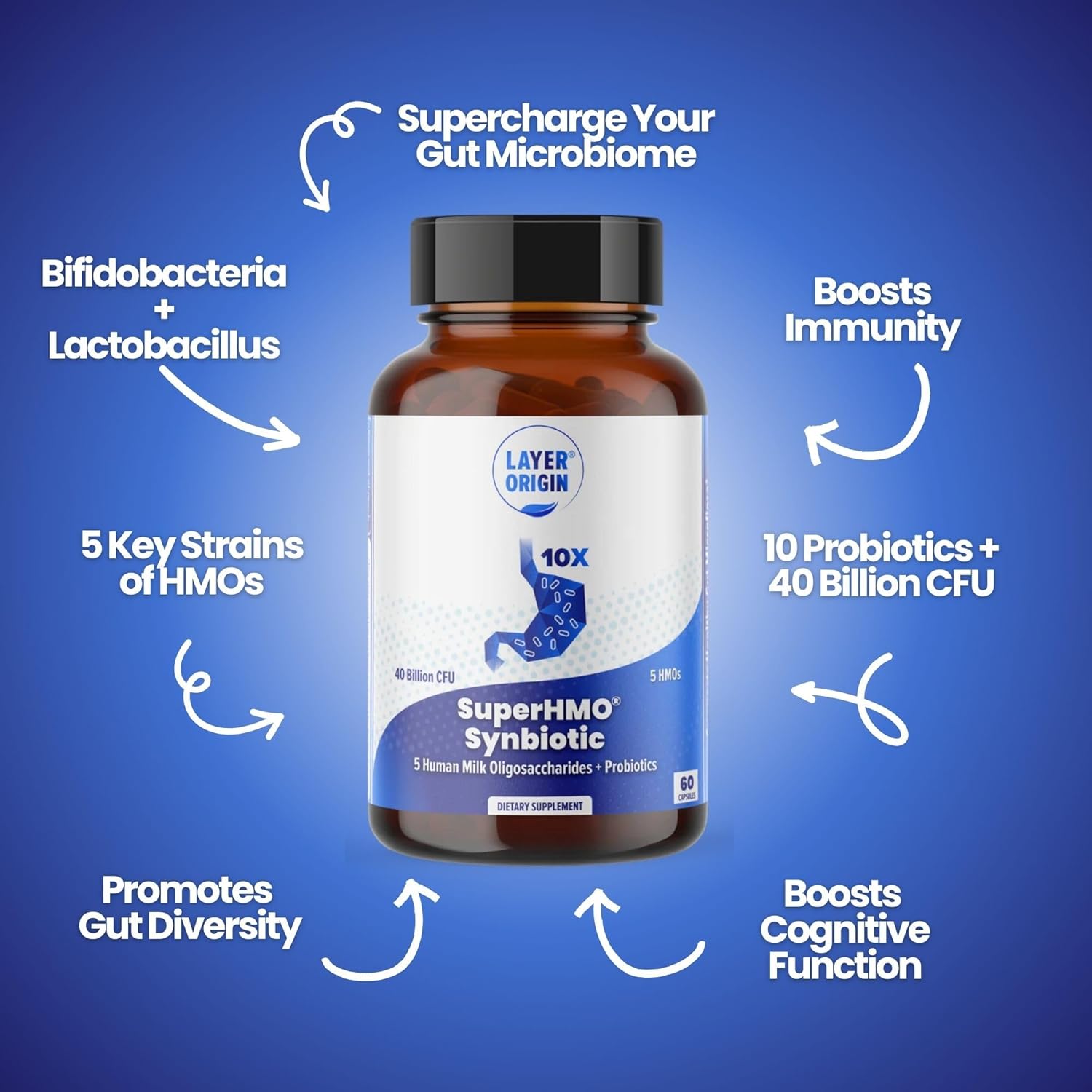
Layer Origins
"Feel better almost immediately I have dysbiosis that has led to SIBO, systemic inflammation, dermatological and joint related issues. On bad flares I get intense joint inflammation and pain to the point of feeling as if I’ve had arthritis for fifty years. Taking this product for just two or three days reverses the inflammation to where I honestly can’t even feel it and my SIBO gas is reduced significantly. This stuff does not make me feel bloated and I can barely tell it is in my shaker" J.