Beneficial Gut Microbes and HMO's Shape an Infant's Immune System for Life
by Mary Ferrari
“It also increased two important immune regulators: plasmacytoid dendritic cells and regulatory T cells (Tregs).”
The development of a healthy immune system begins shortly after birth and during this important time, the gut microbiome helps teach the immune system how to respond appropriately to environments. Beneficial bacteria, especially Bifidobacterium infantis (B. infantis), play an important role in this process as these bacteria are specially equipped to use human milk oligosaccharides (HMOs), natural sugars found in breast milk. HMOs help beneficial bacteria grow and produce substances that communicate with the immune system and when these early microbial communities are disrupted, the immune system does not develop in the same balanced way, increasing the risk of inflammation, allergies, and respiratory problems later in life.
A 2026 study published in Cell Reports Medicine explored whether restoring these helpful bacteria and their food supply could improve early immune development. This large study conducted at several sites across Europe found that giving babies a combination of beneficial bacteria and substances that help them grow, called synbiotics, reduced the strong Th2 response and the imbalance in Th17 immune cells by four months of age. Researchers studied formula-fed infants who received a special combination of B. infantis, another beneficial bacterium called B. lactis, and six different HMOs. The researchers compared their immune responses with infants receiving regular formula and a separate group of exclusively breastfed infants. By four months of age, infants receiving the special combination had fewer Th2 immune cells than infants receiving regular formula. Their immune pattern moved closer to the pattern seen in breastfed infants. Th2 cells are important for fighting certain infections, but an overly strong Th2 response can also contribute to allergic inflammation. The research was conducted by scientists at Nestlé Research, who investigated how combining beneficial gut bacteria with human milk oligosaccharides (HMOs) could help support healthy immune development during infancy.
The benefits were even more remarkable in animal studies. The researchers used standard, wild-type mice. Researchers gave young mice the same combination of B. infantis and six HMOs. The mice were then exposed to a virus that causes a respiratory illness similar to RSV in humans. Mice with an unhealthy gut environment developed more severe lung damage and inflammation but those receiving the complete synbiotic combination had less lung damage, better control of the virus, and a more balanced immune response. Notably giving the HMOs alone or the bacteria alone did not provide the same level of protection demonstrating that the combination of the right bacteria and the food they need is critically important for healthy immune development. The researchers did not compare the mouse results directly with the human infants. Instead, the mouse experiments investigated whether the same general synbiotic combination that changed immune patterns in human infants could also produce measurable protection against disease in an experimental animal model but the mouse study provided additional evidence of potential biological benefits, including protection against respiratory infection and later allergic airway inflammation.
The researchers also discovered an important connection involving a substance called 12-HHT. This natural substance increased in the protected mice and was linked to better infection outcomes and when researchers gave 12-HHT directly to other young mice, it helped reduce lung damage and viral levels. It also increased two important immune regulators: plasmacytoid dendritic cells (dendron; tree) and regulatory T cells (Tregs). These cells directly coordinate immune activity and prevent excessive inflammation. Perhaps most importantly, mice that received the early-life synbiotic treatment showed lasting immune benefits into adulthood, including reduced susceptibility to experimental allergic airway disease.
This research highlights how important early gut development is for lifelong health. The findings demonstrate that B. infantis and HMOs work together to help establish a balanced immune system during a critical window of development and the results provide exciting evidence that providing early nutrition closer to human breast milk helps prepare the immune system to encounter future challenges.

Rashid et al. report that an infant-type Bifidobacterium infantis-HMO synbiotic shapes immune signatures and reduces Th2 bias in formula-fed infants toward a breastfed-like profile. In experimental models, it protects against bronchiolitis and confers lasting immune effects into adulthood, associated with increased 12-HHT, a lipid mediator sufficient to promote disease tolerance.
HMO Permanent Shift
- Mechanism: Fucose residue motifs bind specific C-type lectin receptors, primarily DC-SIGN, on mucosal dendritic cells (DCs).
- Outcome: This interaction instructs immature DCs toward a tolerogenic phenotype, upregulating interleukin-10 (IL-10) and transforming growth factor-beta (TGF-beta) secretion, which induces naive CD4+ T cells to differentiate into FoxP3+ Tregs.
- Mechanism: Sialic acid residues bind Siglecs (Sialic acid-binding immunoglobulin-like lectins, particularly Siglec-5 and Siglec-9) expressed on antigen-presenting cells and lymphocytes.
- Outcome: Siglec engagement triggers intracellular immunoreceptor tyrosine-based inhibitory motifs (ITIMs), suppressing pro-inflammatory cascades (such as NF-kB and TNF-alpha) and enhancing immunosuppressive Treg polarization.
- Mechanism: Lacto-N-tetraose backbone configurations serve as ligands for host galectins (e.g., Galectin-1 and Galectin-3).
- Outcome: Galectin activation cross-links cell surface glycans on immune cells, inhibiting effector T-cell activation (Th1/Th17) while promoting Treg survival and expansion.
Can Manufactured HMOs Function Similarly?
Yes. Commercially manufactured HMOs are bio-identical in chemical structure and stereochemistry to those found in human breast milk. Produced via precision microbial fermentation (genetically engineered strains of E. coli or K. lactis), synthetic HMOs like 2′-FL, 3′-SL, and LNT interact with host immune receptors (such as DC-SIGN and Siglecs) and gut bacteria in the exact same manner as native human milk glycans.
Why Nestlé Included Six Specific HMOs
Human breast milk contains over 200 distinct oligosaccharides, but Nestlé selected a specific mix of six HMOs (2′-FL, 3-FL, DFL, LNT, 3′-SL, and 6′-SL) for clinical trial evaluation and commercial formulation for three primary reasons:
1. Representation Across All Three Major Structural Families
Breast milk HMOs fall into three biochemical classes. A blend of six allows formula to cover the entire structural spectrum rather than relying on a single compound:
Neutral Fucosylated (2′-FL, 3-FL, DFL): Provide systemic immune signaling via C-type lectin pathways and prevent pathogen adhesion.
Neutral Core/Non-Fucosylated (LNT): Serve as primary substrates for Bifidobacterium colonization and galectin binding.
Sialylated (3′-SL, 6′-SL): Engage Siglec inhibitory receptors, suppress hyper-inflammatory signaling, and support neurodevelopment.
2. Mimicking Natural Human Milk Proportionality
Rather than an arbitrary ratio, the 6-HMO formulation mirrors the dynamic shift seen in natural lactation across stage 1, stage 2, and stage 3 infant feeds:
Fucosylated HMOs dominate early lactation (up to ~70% of total HMO content).
Sialylated and core HMO proportions shift relative to overall concentration as the infant’s gut mucosa and immune system mature over the first year.
3. Synergistic Synbiotic Action
In trials evaluating this 6-HMO blend (often combined with probiotic strains like Bifidobacterium infantis), the goal is to orchestrate a “synbiotic” environment:
Neutral core and fucosylated structures selectively feed early-life commensals.
Sialylated structures directly regulate host mucosal dendritic cells and systemic interferon response pathways.
Rashid RB, Chung CK, Namubiru P, Ahmed T; CLARA Study Group; Howard DR, Sebina I, Wilkins T, Rana MS, Morrow JP, Creek DJ, Moll JM, Vidal K, Fumero C, Lavalle L, Maes D, Hays NP, Silva-Zolezzi I, Forbes-Blom E, Sprenger N, Picaud JC, Phipps S, Noti M. Early-life immune imprinting by a B. infantis-HMO synbiotic shapes infant immune signatures and protects against experimental respiratory disease. Cell Rep Med. 2026 Aug 18;7(8):102935. doi: 10.1016/j.xcrm.2026.102935.
Epub 2026 Jul 31. PMID: 42537648; PMCID: PMC13522788.
Declaration of interests
C.K.C., K.V., C.F., L.L., D.M., N.P.H., I.S.-Z., E.F.-B., N.S., and M.N. are employees of Société des Produits Nestlé S.A. (SPN), the sponsor of this trial. J.-C.P. and CLARA Study Group members received a grant from SPN to conduct clinical study. R.B.R., T.A., T.W., M.S.R., P.N., I.S., D.R.H., and S.P. are employees of the QIMR Berghofer MRI, with whom SPN had a collaboration agreement to conduct pre-clinical studies. J.M.M. is an employee of Cmbio, with whom SPN had a service agreement. The investigational products were provided by S.P.N. E.F.B., D.M., and M.N. have filed patent applications related to combinations of HMOs and B. infantis (WO 2024/236049 A1, WO 2024/236050A1, and WO 2022/161865 A1).
In case you’re counting that’s about 2.8 billion people with a primary immune deficiency syndrome (7000 cross conditions) facing the worst case scenario (32%) and not a matter of IF, a matter of WHEN these dysbiotic immune deficits, metabolic and malnutrition syndromes take their toll.
After 23 years of investigative reporting on the rise of postmodern chronic disease syndromes, one does not need advanced statistical analysis to recognize the alarming patterns. More than a century of research tracking Bifidobacterium deficiencies and pH levels in the infant digestive system reveals associations that parallel the rising prevalence of immune failure, dysbiosis, obesity, MAFLD, and nearly every major chronic inflammatory condition, particularly since 1980.
Consider the numbers. Breastfeeding rates have risen to around 25% in the United States since 1980, while obesity has climbed dramatically to 75%. The worst-case combination of risk factors appears in the 32% C-section cohort: surgical birth, lack of breastfeeding, hospital-associated microbiome exposure, and the lowest Bifidobacterium counts among the infant cohorts. Remarkably, that 32% figure also corresponds to the reported prevalence of dysbiosis associated MAFLD. Leading research is concluding that comparable patterns will emerge in nations around the world when breastfeeding rates, chronic dysbiosis, metabolic disorders, liver and cardiovascular disease, mortality, and life expectancy are examined together.
Furthermore, the current litigation and research initiatives involving leading infant formula manufacturers speak for themselves. Why invest so heavily in this area now, after profiting from infant formula for more than a century, unless the industry recognizes that the consequences of its past products and the direction of its future investments demand closer examination? At some point, these disease patterns will begin appearing at progressively younger ages. In fact, that shift is already underway.
This is what emerges when the evidence is examined through three hierarchical risk factors rather than isolated symptoms: lack of breastfeeding, food insecurity, and water insecurity as defined by The WHO. These are the three substantial risk categories that deserve priority when investigating the biological origin of as many as 90% of chronic inflammatory conditions.
Yet the information remains remarkably underrepresented. Across the entire X platform, approximately six profiles consistently publish this material including Naturally Immune For Life. Only about three major organizations, the WHO, UNICEF, and the Breastfeeding Foundation appear to be addressing these issues with comparable emphasis. On YouTube and Facebook, the numbers are even lower.
The numbers speak volumes. The question is why are so few people are connecting them.
naturallyimmuneforlife.com
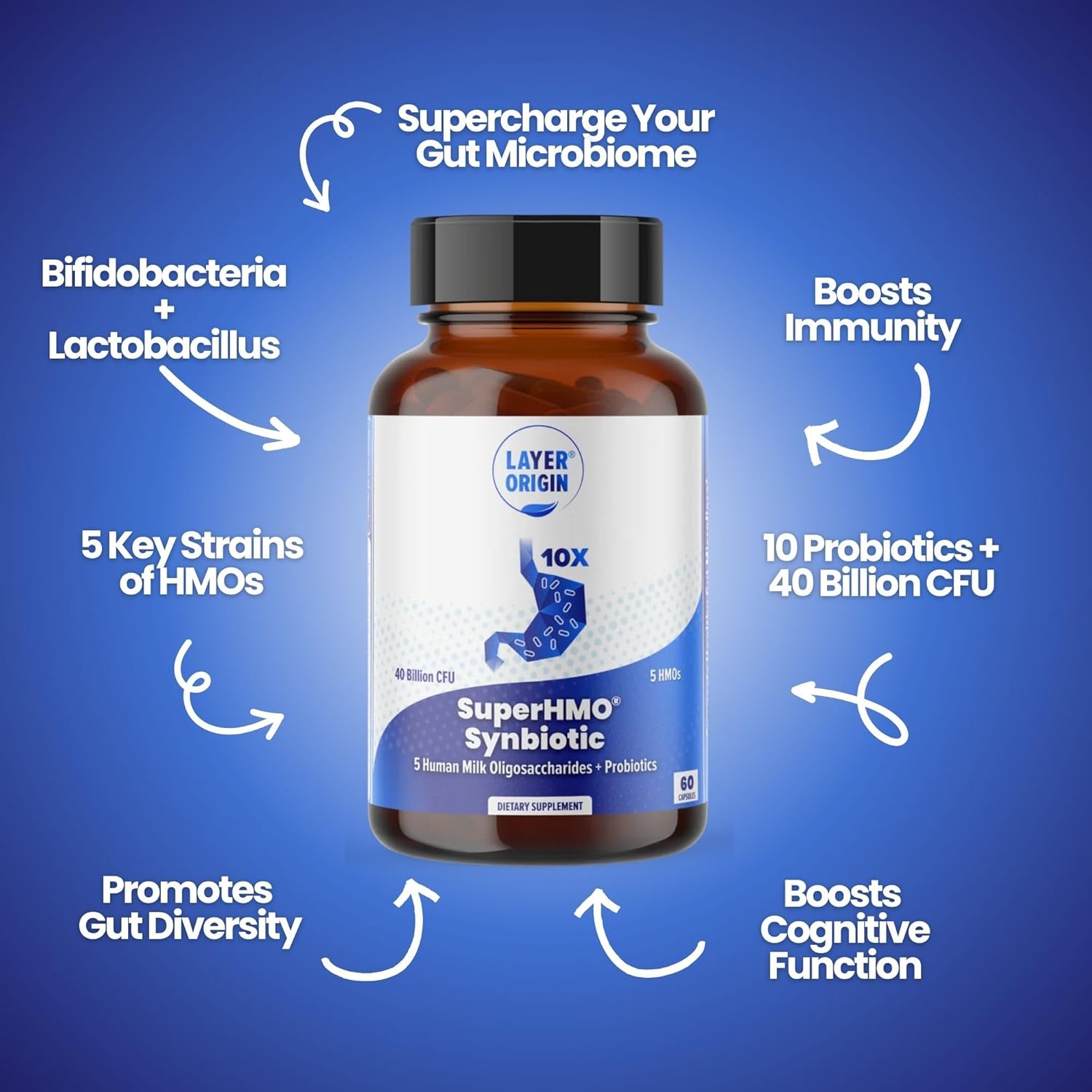
Layer Origins
"Feel better almost immediately I have dysbiosis that has led to SIBO, systemic inflammation, dermatological and joint related issues. On bad flares I get intense joint inflammation and pain to the point of feeling as if I’ve had arthritis for fifty years. Taking this product for just two or three days reverses the inflammation to where I honestly can’t even feel it and my SIBO gas is reduced significantly. This stuff does not make me feel bloated and I can barely tell it is in my shaker" J.