The Only Food That Shapes a Lifetime
by Mary Ferrari
“Breastfeeding establishes lifelong metabolic protection by helping cells grow in a careful, optimized way rather than overstimulating them.”
How To Establish Immune Tolerance
Breast milk is much more than just simple food for a baby; it is a highly advanced biological signaling system that programs a newborn’s metabolism for the rest of their life.
Unlike infant formulas, human breast milk contains the exact instructions needed to guide early cell development without pushing the baby’s body into a state of metabolic stress. According to scientific research by Bodo C. Melnik and other experts in developmental biology, breastfeeding establishes lifelong metabolic protection by helping cells grow in a careful, optimized way rather than overstimulating them. This natural programming keeps a vital genetic pathway called Wnt/TCF7L2 open and functioning correctly, which acts as a permanent shield against chronic conditions like obesity and diabetes later in life.
Breastfeeding has been identified as a critical preventive postnatal condition for both T2DM and obesity.
Breastfeeding not only calibrates the correct magnitude of postnatal Wnt/β-catenin/TCF7L2 signaling in the pancreatic islet stem cell niches but also in adipose tissue stem cell (ASC) niches. Compromised Wnt signaling by formula feeding may explain exaggerated adipose tissue stem cell commitment paving the way to obesity.
Human breast milk accomplishes this astonishing level of protection through several specialized chemical pathways, starting with its unique protein composition. Humans actually have the lowest protein concentration in their milk out of all mammals on Earth, perfectly matching the slow, steady growth rate of human infants. Because it is intentionally low in certain protein building blocks called branched-chain amino acids, breast milk triggers a cellular growth engine known as mTORC1 in, rhythmic waves instead of turning it on full speed. Notably, sustained mTORC1 activation impairs Wnt/β-catenin signaling, leading to the loss of stemness in intestinal organoids ex vivo and primitive intestinal progenitors in vivo. When infant formula overstimulates this growth engine, it recruits a negative enzyme called EZH2 to lock away protective metabolic genes with permanent epigenetic chemical marks. Breast milk prevents this from happening, keeping the vital TCF7L2 gene loci fully accessible so the body can build healthy metabolic organs.
Beyond proteins, breast milk carries billions of tiny maternal bubbles called extracellular vesicles, or exosomes, which act like microscopic protective armor traveling through the infant’s digestive system. Inside these protective bubbles are master-regulating molecules called microRNAs, specifically types known as miR-148a and miR-22. These microRNAs survive the stomach’s harsh acids and get absorbed into the body, where they go to work silencing a dangerous protein, DKK1. Because DKK1 is the body’s primary internal off-switch for healthy Wnt signaling, breast milk essentially neutralizes the off-switch. This allows a key messenger protein called beta-catenin to move freely into the cell nucleus, amplify the TCF7L2 gene, and signal stem cells to build a highly dense and durable pancreas.
At the same time, breast milk is loaded with special healthy fats, specifically long-chain omega-3 fatty acids like DHA and EPA, which act as biological erasers. When these fatty acids arrive at a baby’s stem cells, they activate an enzyme called LSD1. LSD1 helps control which genes are turned on or off by removing chemical tags from proteins that help organize DNA. Signals from breast milk support this process as a baby’s stem cells grow and develop, helping shape how these cells function over time. Instead of converting prematurely into massive amounts of white fat tissue, the stem cells are directed to expand the child’s baseline mass of insulin-producing pancreatic cells. This creates a massive metabolic buffer zone that helps handle the heavy dietary demands of adulthood decades later without experiencing metabolic failure.
Milk is much more than food for a baby. Research shows that breast milk provides nutrients while also helping guide how a baby’s body and immune system develop. Mammals evolved mammary glands to do both: feed their young and help program their growth. This means that breastfeeding is more than simply feeding a baby; it is part of the natural process that supports healthy development after birth. Breast milk is the natural gold standard for infant development, while infant formula does not provide the same biological signals. The authors conclude that formula feeding can disrupt Wnt signaling, which helps control how stem cells grow and renew themselves. These changes contribute to a greater risk of obesity and diabetes later in life.
Healthy development ensures energy creation and metabolism, vitamin biosynthesis and immune protection and surveillance are robust in breast fed infants. While structural analysis confirms that natural breast milk contains a vast, diverse matrix of over 200 distinct carbohydrate structures, there are currently no head-to-head clinical trials directly comparing the immunological effects of natural human milk oligosaccharides (HMOs) against manufactured bioidentical HMO complexes until now.
A newborn’s immune system must develop quickly but in a balanced way to protect the baby from new challenges after birth. Unlike adults, newborns have an immune system that leans toward a Th2 response. This helps support early development and limits harmful immune reactions during pregnancy. In breastfed newborns early colonizers help guide that process. However, newborns have a weaker Th1 response, which is important for fighting viruses. If the immune system does not develop properly during early life, babies may be more likely to develop lower respiratory infections. These infections are also linked to a higher risk of developing long-term asthma.
In a large study conducted at several sites across Europe, researchers found that giving babies a combination of beneficial bacteria and substances that help them grow, called synbiotics, reduced the strong Th2 response and the imbalance in Th17 immune cells by four months of age. The changes followed a pattern seen in breastfed babies. Other research has found that breastfed infants with fewer Bifidobacterium bacteria, or bacteria that cannot use human milk oligosaccharides (HMOs), may develop intestinal inflammation linked to abnormal Th2 and Th17 responses. Because an overly strong Th2 response early in life has been linked to chronic inflammatory diseases later on, specially designed infant probiotics and prebiotics may help support healthier immune development and reduce the risk of lasting problems.
In this landmark August 2026 clinical trial published in Cell Reports Medicine, researchers discovered that supplementing with a blend of six manufactured, structurally diverse HMOs successfully re-programs the body’s immune pathways (6 HMOs [2′ FL, DFL, 3FL, LNT, 3′ SL, 6′ SL] and B. infantis plus B. lactis). The study details how early-life supplementation with a six-HMO and B. infantis synbiotic blend expands immuno-regulatory plasmacytoid dendritic cells (pDCs). This process activates a protective pDC–Treg immune axis that increases 12-HHT and suppresses runaway Th2-biased tissue inflammation. The study also demonstrated that this exact combination altered the gut environment and attenuated the systemic Th2 bias in formula-fed infants, effectively imprinting a balanced immune cell network that closely resembled the natural tracking observed in exclusively breastfed infants. Infants were enrolled and randomized at 14 days of age. The infants were fed the experimental formula containing the six manufactured HMOs and the Bifidobacterium synbiotic blend continuously from that baseline up to 4 months of age.
“We demonstrate that supplementation with this infant-type synbiotic changes systemic immune cell networks and reduces a Th2 bias in formula fed infants, to more closely follow the pattern observed in exclusively breastfed infants enrolled as a non-randomized reference group. To gain further mechanistic insight, we evaluated the impact of early-life synbiotic supplementation on preclinical models of respiratory infection and allergic airway inflammation. We find that synbiotic supplementation improves disease tolerance toward an sLRI associated with aberrant Th2 responses in early life and reduces susceptibility to experimental asthma later in life. The improved infection and allergy outcomes following synbiotic supplementation associate with significant changes in the levels of systemic metabolites and the expansion of immunoregulatory plasmacytoid dendritic cells (pDCs) and regulatory T cell (Treg) responses. Together, these findings support the concept that during a critical developmental window in early life an infant-type synbiotic has the capacity to shape immune system imprinting and prevent the development of a severe infection and subsequent asthma via the promotion of disease tolerance.“
Bovine Colostrum and Milk
Nature has also built a parallel protective system using cow’s milk and bovine colostrum, though it operates with a slightly different structural blueprint. While human milk relies heavily on specialized sugars that are covered in fucose (up to 70%) to communicate with immune-regulating dendritic cells via a receptor called DC-SIGN, cow’s milk oligosaccharides (BMOs) contain almost no fucose. Instead, BMOs are highly sialylated, meaning they are covered in sialic acid. This structural difference allows cow’s milk sugars to bind to an entirely separate family of immune cell receptors known as Siglecs and Toll-like Receptors. Despite taking a different chemical route, the end goal is identical: it stops dangerous inflammation in the gut and stimulates immature dendritic cells into a calm, protective state.
Bovine colostrum also brings a set of specialized proteins and signaling molecules to enforce this gut calmness. It features incredibly high concentrations of growth factors like TGF-beta and immune-calming proteins like IL-10 and lactoferrin. Because cow and human growth factors share identical structures, these concentrated proteins are highly effective at locking immune cells into a non-inflammatory state. Additionally, special antibodies in cow’s milk, known as bovine IgG, act as structural primers along the gut wall. Scientific research highlights that these unique glycan chains on bovine IgG cause a physical change on the surface of the gut lining. This change increases the adhesion of helpful probiotics like Bifidobacteria by up to 43-fold while simultaneously binding to and blocking harmful pathogens.
However, there is an important catch to these bovine milk benefits: they are transient and depend completely on active consumption. Because immune dendritic cells turn over rapidly and live for only a few days or weeks, they require constant re-conditioning. If you stop taking BMOs or colostrum, the newly arriving immune cells will revert to an unconditioned state based on whatever else is in your current diet. The only way to leave a permanent “ecosystem legacy” after stopping colostrum is through microbial remodeling.
If the milk compounds successfully nurse your native, friendly, butyrate-producing bacteria back to health while you are taking them, those permanent bacterial colonies can take over the job, naturally keeping your immune system calm and balanced for the long haul.
*Proprietary HMO Blend (2′-FL/DFL, LNT, 6′-SL, 3′-SL) from NurtureBio. 30 Sachets (one-month supply). $29.50
Source:
2026
2025
2020
- Immunoglobulin G (IgG): The researchers isolated the active components of a bovine colostrum fraction and found that pre-incubating intestinal cells with bovine IgG significantly increased the adherence of Bifidobacterium strains (such as Bifidobacterium longum).
- Concentration-Dependent Increase: The priming effect was concentration-dependent. For example, pre-incubating with 16 mg/mL of IgG led to a dramatic 43-fold increase in the adhesion of B. longum to the intestinal cells.
- Role of Glycans: When colostral IgG was treated with periodate (which modifies or disrupts carbohydrates/glycans), the enhanced adhesion dropped, demonstrating that the glycans attached to the IgG play a crucial role in modulating the intestinal cells to accept and bind the beneficial bacteria.
- Mature Milk IgG: IgG isolated from mature bovine milk also successfully increased bacterial adhesion (yielding a 3.9-fold increase), though it was less potent than colostrum-derived IgG.
2025
Two separate lawsuits alleging that preterm infant formula caused necrotizing enterocolitis (NEC) in preterm infants resulted in awards of $60 M and $495 M against two formula companies in the United States in 2024. A third trial completed in October 2024 did not result in a judgment against a formula company. With about 1000 similar cases already filed, the potential impact of litigation on formula manufacturers and infant nutrition is significant.
….. funding methods for human milk (e.g., the Access to Donor Human Milk Act of 2023 and/or direct incentives to mothers of preterm infants)) are essential to progress towards “a world without NEC”
The fifty billion dollar question: does formula cause necrotizing enterocolitis?
2026
On August 20, 2026, Abbott Laboratories agreed to pay $670 million to resolve roughly 2,000 preterm infant formula claims tied to necrotizing enterocolitis.
Abbott to Pay $670 Million to Settle About 2,000 NEC Formula Cases
Timeline
1. The 1-to-2-Week Initial Microbiome Shift
- The Primary Study: Oral supplementation of healthy adults with 2′-O-fucosyllactose and lacto-N-neotetraose is well tolerated and shifts the intestinal microbiota
- The Findings: This randomized human trial investigated adult supplementation using basic HMO structures (2′-FL and LNnT). The researchers proved that a two-week supplementation periodis sufficient to significantly expand beneficial Bifidobacteria populations and alter adult gut microbiota profiles.
2. The 1-to-3-Month Sustained Clinical Tolerance
- The Primary Study: Human Milk Oligosaccharides Support Normal Bowel Function and Improve Symptoms of Irritable Bowel Syndrome: A Multicenter, Open-Label Trial
- The Findings: This large-scale, 17-site clinical study tracked 317 adults over a 12-week (3-month) timeframe. By evaluating patients at 4-week milestones, the study demonstrated that progressive gut barrier support, stool normalization, and profound reductions in inflammatory discomfort require 1 to 3 months of consistent daily use to fully stabilize.
3. Microbial Programming
- The Primary Study: A human milk oligosaccharide alters the microbiome, circulating hormones, and metabolites in a randomized controlled trial of older adults
- The Findings: This 6-week randomized controlled trial evaluated whether 2′-fucosyllactose (2′-FL), a human breast milk oligosaccharide with established benefits in infants and animal models, could improve gut microbiota and immune function in 89 healthy older adults (mean age 67.3 years). While the primary endpoint of cytokine response change was not met, 2′-FL supplementation increased gut Bifidobacterium levels and elevated serum insulin, high-density lipoprotein (HDL) cholesterol, and FGF21 hormone. While supplementation with 2′-FL was shown to have beneficial effects, a limitation of this HMO-only prebiotic approach is that broader metabolic and immunological benefits seem to be individualized. Studies of probiotic engraftment have shown that responses are contingent upon the baseline composition of an individual’s microbiota. Multi-omics analysis indicated a systemic response to 2′-FL, which could be detected in blood and urine, showcasing the potential of this prebiotic to provide diverse benefits for healthy aging.
4. Prebiotics vs. HMO’s
- The Primary Study: HMOs Impact the Gut Microbiome of Children and Adults Starting from Low Predicted Daily Doses
- The Findings: Assessing the impact of four single HMOs (2′FL, LNnT, 3′SL and 6′SL) compared to traditional prebiotics (inulin and FOS) at a dose equivalent to 5 g/day [13], the key objective of the current study was to identify their impact on metabolite production and microbial composition in children and adults, upon treatment with lower doses of these four single HMOs. The adopted ex vivo SIFR® technology is uniquely designed to predict dose effects on gut microbiota modulation down to species level in clinical studies. Another feature of this technology is the minimal bias between the original donor microbiota and the microbiota growing in SIFR® reactors, which was critical for studying age-related differences in the gut microbiome.
- The untargeted metabolomics analysis elucidated the health-promoting potential of HMOs beyond the stimulation of SCFA production. The lowest HMO doses (0.3 g/d), both for children and adults, already induced measurable increases in specific microbial metabolites. The various test products enhanced the production of aromatic lactic acids such as indole-3-lactic acid and 3-phenyllactic acid, which are shown to be produced by Bifidobacterium spp. from the aromatic lactic acids, tryptophan and phenylalanine, respectively. These aromatic lactic acids are linked to immune function and brain processes via the aryl hydrocarbon receptor.
How do I know my gut health and immune state without testing?
- If you were breastfed for the appropriate amount of time (6 months – 2 years) and not weaned too early and were supplied with the entire HMO set of 200 known HMO’s you almost certainly have established tolerance. Maternal input studies on breast milk quality have yet to be confirmed.
- If you were not breastfed you have not established lifelong tolerance.
- If you have taken HMO supplements for the clinically specified timeline to establish tolerance then you have established tolerance. There are few long term studies beyond 12 weeks regarding HMO supplementation.
- If you have taken any other substance that is not breastfeeding or a bio identical recommended HMO single supplement or HMO complex for the clinically specified timeline at minimum you have not established long term tolerance. There are many clinical trials on HMO supplements to measure specific outcomes.
- If you are non responder to an FMT and have not achieved successful engraftment you have not achieved long term immune tolerance. HMO’s have been shown to help achieve successful engraftment.
- If you have taken other natural oral immune therapies like bovine colostrum for the appropriate amount of time to establish long term tolerance, you have established long term tolerance but can possibly revert to your original baseline when stopped, whether that takes 3 months or two years unless you have permanently shifted your microbiome. Research from the product source/s indicates bovine colostrum or gcmaf therapies require maintenance however there is no research indicating a return to your particular established baseline.
- If you have taken any other supplement or food to achieve gut health (prebiotics, probiotics, synbiotics) and it appears to have shifted your microbiome there is no research that indicates that you will not revert to your original baseline in time after stopping.
- You can be assured that any substance that results in a ‘germ free’ host will result in immune failure.
Depending on your individual state and baseline regarding any supplement be prepared to spend the exact same amount of time as it occurs to establish tolerance in an optimally breastfed infant whether some of those effects begin immediately or take longer to achieve. Do not forget tolerance is achieved in a two step sequence in a newborn, first primary bifido colonization and then healthy mature adult microbiota and it generally takes 6 months to 2 years (the first 1000 days of life is clinically demonstrated establishment of HMAGM in a child), longer in countries where parasitism is high.
There is absolutely no getting around the timeline it might take for an adult individual with an established baseline to recover from their particular dysbiosis. Averages are averages and most averages mirror optimal infant development timelines so you should expect to spend 1000 days.
Historically reliable indicators
- There are only a few reliable and reasonable indicators as to what constitutes both a healthy microbiome and lifelong immune tolerance.
- Breastfed vs. formula fed.
- Healthy aging/Centenarians
- Established colonization of bifido strains and gut ph status throughout a lifetime as markers and as shown by stool analysis. Both of which have been tracked and peer reviewed published over a long time period.
- No indication of chronic inflammatory conditions, allergies, autoimmune or cancer, including insulin resistance, diabetes or obesity.
- This optimal health status is adult diet independent, meaning diet is not a reliable indicator unless operating within the historically established gold standard of healthy metabolism, digestion, vitamin bio synthesis and immune function as provided by breastfeeding.
When combined with reducing the other top two risk factors according to the WHO: food (safety/adequacy) and water (sanitation), a person can reasonably expect to live a life escaping the majority of chronic inflammatory conditions in the post modern world.
Science requires certain baseline assumptions about reality before a single experiment can be run. A scientist must accept these truths through sound reason or the scientific method cannot empirically prove or disprove them without falling into circular reasoning. A physical world exists outside of the scientist’s own mind.
Sugar Studies
Source:
There are no studies in which energy intake and weight gain were compared in subjects consuming high or low sugar, blinded, ad libitum diets formulated to ensure both groups consumed a comparable macronutrient distribution and the same amounts of fiber. There is also little data to determine whether the form in which added sugar is consumed, as beverage or as solid food, affects its potential to promote weight gain. It will be very challenging to obtain the funding to conduct the clinical diet studies needed to address these evidence gaps, especially at the levels of added sugar that are commonly consumed. Yet, filling these evidence gaps may be necessary for supporting the policy changes that will help to turn the food environment into one that does not promote the development of obesity and metabolic disease.
Sugar consumption, metabolic disease and obesity: The state of the controversy
Do any of these meta analyses or reviews include breastfed vs. non breastfed subjects?
No, the vast majority of mainstream adult reviews on sugar consumption do not look at infant feeding history. Standard adult sugar analyses, such as the 2023 BMJ Umbrella Review or Kimber Stanhope’s 2016 foundational work, focus exclusively on contemporary, short-term dietary intake. They evaluate how sugar consumed today affects blood lipids and metabolic markers tomorrow, completely ignoring whether the adult subjects were breastfed or formula-fed as infants.
However, the medical literature does address this exact gap through the framework of metabolic programming. When you isolate the studies that do directly compare breastfed versus non-breastfed subjects against sugar and metabolic disease, a distinct paradox emerges.
- When developmental biology reviews compare infant cohorts, they find that exclusively formula-fed infants face a significantly higher risk of developing obesity and type 2 diabetes later in life, even though conventional infant formula contains exactly 0% fructose. Prior to the introduction of solid foods, formula-fed infants consume entirely lactose or glucose polymers, meaning their elevated metabolic risk occurs completely independent of fructose consumption.
- Systematic reviews and meta-analyses investigating infant cohorts (such as the European Childhood Obesity Project (CHOP) or Harder et al. dose-response meta-analyses) show that the metabolic differences between breastfed and formula-fed infants are driven by hormonal, epigenetic, and structural signals, rather than simple sugar chemistry.
- Formula-fed infants consume a significantly higher concentration of protein and branched-chain amino acids than breastfed peers. Extensive cohort reviews demonstrate that this excess protein overstimulates insulin secretion and activates the mTORC1 growth engine, forcing rapid weight gain and early adipocyte (fat cell) differentiation. Breastfed infants maintain lower baseline plasma insulin and a less active IGF-1 axis, meaning they store less fat early on.
- Systematic reviews track a phenomenon called “satiety responsiveness”. Formula-fed infants are frequently subjected to parental-led feeding (e.g., prompting the infant to finish a fixed bottle volume), whereas breastfed infants naturally control their own caloric intake based on internal cues. Long-term tracking reveals that this early behavioral difference alters vagal gut-brain communication, leaving formula-fed subjects more vulnerable to the overconsumption of sugars and fats during adulthood.
- Comparative studies highlight that breastfed infants develop a gut microbiome heavily dominated by Bifidobacteria, nurtured by human milk oligosaccharides (HMOs). This bacterial environment creates a high-butyrate, low-inflammation baseline in the gut. Formula-fed infants experience early gut dysbiosis and higher systemic endotoxin (LPS) levels, which primes their immune cells to be highly reactive, compounding the systemic inflammation later caused by an adult high-sugar diet.
- The few recent studies that do cross the bridge between sugar and breastfeeding look at maternal sugar consumption. Landmark papers published in journals like Diabetes Care have tracked breastfeeding mothers with metabolic dysfunction (such as Type 1 or Gestational Diabetes).
If you are reading a paper about adult sugar (or any) dietary intake, it is safe to assume infant feeding is a completely unmeasured variable.
To find the true intersection between early feeding modes and metabolic disease, you must look directly into the epigenetic and developmental programming literature, which proves that a baby’s early feeding structure sets the biological stage for how their adult cells will handle sugar (or any food) decades later.
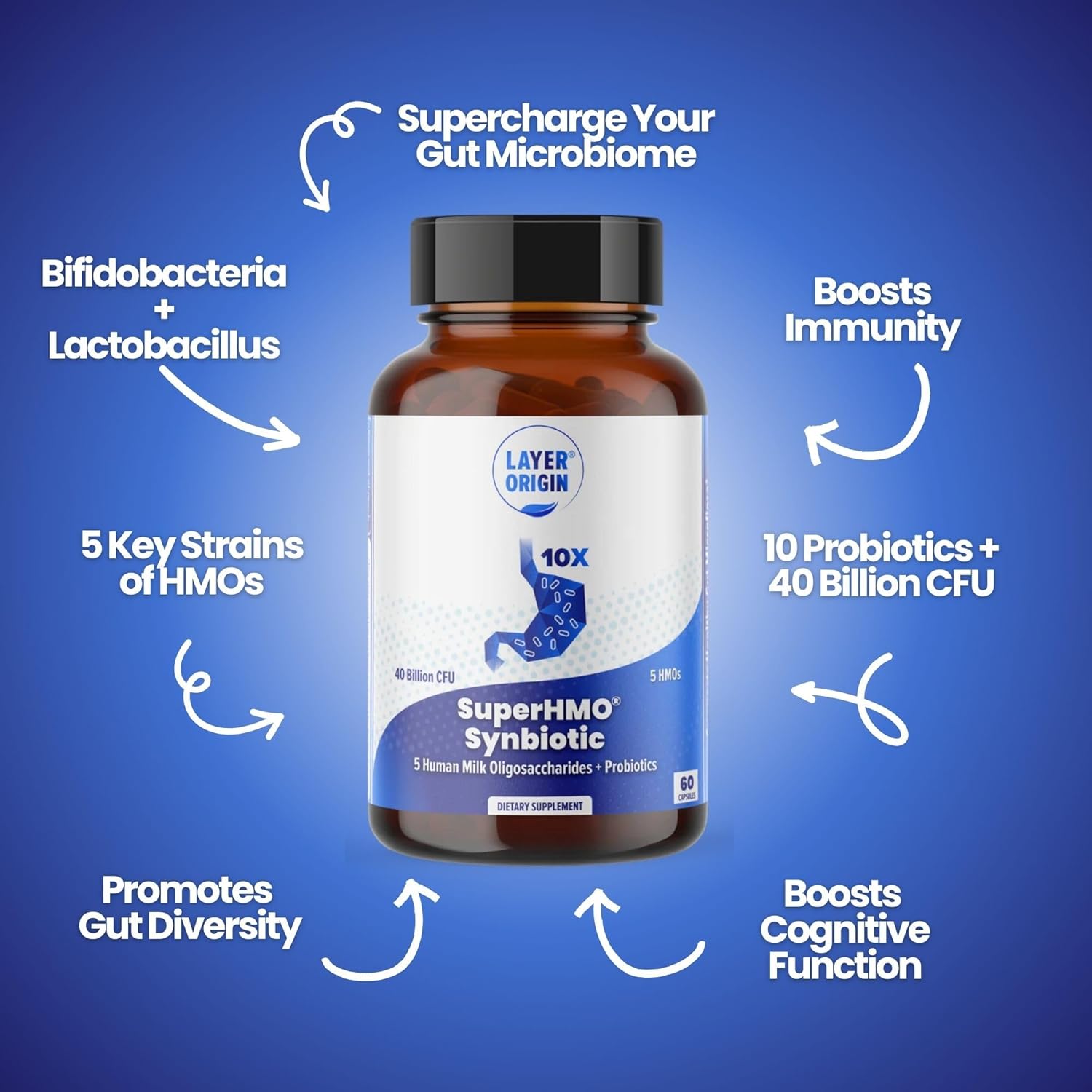
Layer Origins
"Feel better almost immediately I have dysbiosis that has led to SIBO, systemic inflammation, dermatological and joint related issues. On bad flares I get intense joint inflammation and pain to the point of feeling as if I’ve had arthritis for fifty years. Taking this product for just two or three days reverses the inflammation to where I honestly can’t even feel it and my SIBO gas is reduced significantly. This stuff does not make me feel bloated and I can barely tell it is in my shaker" J.