Why More Sugar Doesn't Mean More Energy
by Mary Ferrari
“Problems arise when mitochondria become overwhelmed by chronic excess calories, persistently elevated blood sugar, inflammation, or other metabolic stressors.”
Almost everyone wants more energy, so it is easy to assume that eating more sugar will give your cells more fuel. While glucose is an important energy source, your cells do not simply burn sugar for energy. They rely on a highly regulated process that requires healthy mitochondria, oxygen, and a variety of essential nutrients. Mitochondria are often called the “power plants” of the cell because they convert energy from carbohydrates, fats, proteins and oxygen into ATP (adenosine triphosphate), the molecule that powers nearly every biological process. This process requires more than fuel alone. Mitochondria depend on nutrients such as B vitamins, magnesium, iron, copper, phosphorus, and other cofactors to efficiently produce energy. However, mitochondria do far more than make ATP. Modern research views mitochondria as a central hub connecting metabolism, inflammation, immunity, Circadian rhythms, and the gut microbiome. Health depends on the balance and communication between these interconnected systems this also may require new approaches in healthcare termed network medicine.
Why Excess Sugar Can Reduce Energy Efficiency
Healthy mitochondria naturally produce small amounts of reactive oxygen species (ROS) during energy production. These molecules are not always harmful; in controlled amounts, they act as important cellular signals. The body has antioxidant systems that carefully regulate ROS and prevent damage. Problems arise when mitochondria become overwhelmed by chronic excess calories, persistently elevated blood sugar, inflammation, or other metabolic stressors. When ROS production exceeds the body’s ability to control it, oxidative stress occurs. This can damage proteins, fats, DNA, and even the mitochondria themselves. This is why constantly consuming excess sugar does not automatically create more energy. If cells already have enough fuel, adding more can overwhelm normal metabolic pathways. The result may be higher blood glucose, increased insulin demand, insulin resistance, fat storage, and oxidative stress rather than increased ATP production. The goal is not to eliminate carbohydrates although ketogenic diets can be helpful in severe health conditions. Glucose remains an essential fuel for many tissues, including the brain and red blood cells, and the body can meet its glucose needs without added sugar. Instead, the goal is metabolic flexibility—the ability to efficiently use carbohydrates when available and switch to other fuels, such as fats and ketones, when energy demands change. A healthy gut microbiome also supports metabolic flexibility by producing beneficial compounds such as butyrate, a short-chain fatty acid that helps regulate mitochondrial function and cellular energy metabolism.
Different Sugars, Different Biological Roles
Not all sugars exist simply to provide energy. Glucose is the brain’s primary fuel under normal conditions. During fasting, prolonged exercise, or carbohydrate restriction, ketones become an alternative fuel that can be directly used by brain mitochondria to produce ATP. Galactose, another sugar found in milk, follows a different pathway. It is converted by the body into glucose intermediates that can contribute to energy production. However, galactose also serves as a building block for important biological molecules, including glycoproteins, glycolipids, and human milk oligosaccharides (HMOs). This demonstrates that some carbohydrates function as biological signals rather than simply calories.
Butyrate is different from glucose, ketones, and galactose. It is primarily produced when beneficial gut bacteria ferment dietary fibers and HMOs. Colon cells use butyrate as a preferred energy source, while its broader effects occur through signaling pathways that influence inflammation, immunity, and mitochondrial function. Although small amounts can reach other tissues butyrate is not considered a major direct fuel for the brain.
How HMOs Support Butyrate Production
Human milk oligosaccharides (HMOs) provide an example of carbohydrates designed for communication rather than energy. HMOs are not digested by humans. Instead, they selectively nourish beneficial bacteria, especially species adapted to utilize these complex structures. Their effects occur through microbial cooperation:
Primary consumers:
- Bifidobacterium species break down HMOs and release smaller sugars and metabolites.
- Cross-feeding: Other beneficial bacteria use these byproducts to produce short-chain fatty acids, including butyrate.
- Specific HMO effects: Different HMOs, such as 2’-fucosyllactose (2’-FL), 3’-sialyllactose (3’-SL), and lacto-N-neotetraose (LNnT), support different microbial pathways.
Butyrate: The Gut Microbiome Connection to Energy
In adults, dietary fibers serve a similar role by feeding beneficial bacteria that produce metabolites such as butyrate. Your gut microbiome does more than support digestion, it also communicates with your metabolism. Butyrate provides energy for colon cells and acts as a signaling molecule that can activate pathways involved in mitochondrial health, including AMPK and PGC-1α signaling. Research suggests that butyrate may support mitochondrial efficiency, promote mitochondrial biogenesis (the creation of new mitochondria), and help regulate oxidative stress. In this way, a healthy microbiome may help your cells use energy more efficiently by improving the systems that convert fuel into energy. Butyrate may also support autophagy, the cell’s natural recycling system that removes damaged proteins and dysfunctional cellular components, helping maintain cellular quality control and metabolic health.
Exercise: The Strongest Signal for New Mitochondria
Exercise remains one of the most powerful known stimulators of mitochondrial biogenesis. Physical activity increases energy demand, activating pathways such as AMPK, SIRT1, and PGC-1α that signal cells to build and improve mitochondrial capacity. However, mitochondria require both the signal to adapt and the nutrients needed to complete the process. A nutrient dense diet provides essential building blocks, while a healthy microbiome provides metabolites such as butyrate that influence mitochondrial signaling.
The Real Secret to Lasting Energy
If you want more energy, the answer is not simply eating more sugar or avoiding carbohydrates completely but in supporting healthy mitochondria. That means choosing balanced sources of carbohydrates, healthy fats, and quality proteins that provide essential vitamins and minerals and exercising regularly to stimulate mitochondrial renewal while also maintaining a healthy microbiome. Damaged mitochondria can recover and new mitochondria can be created. Together, exercise, nutrition, and microbiome health create the environment needed for efficient energy production.
When mitochondria are healthy, they can produce more ATP from the fuel you already consume helping your body create sustainable energy while minimizing unnecessary oxidative stress. The secret to lasting energy is not more sugar. It is healthier mitochondria, supporting the microbiome and is ultimately about supporting the entire network that keeps metabolism, immunity, and energy production and Circadian rhythms in balance.
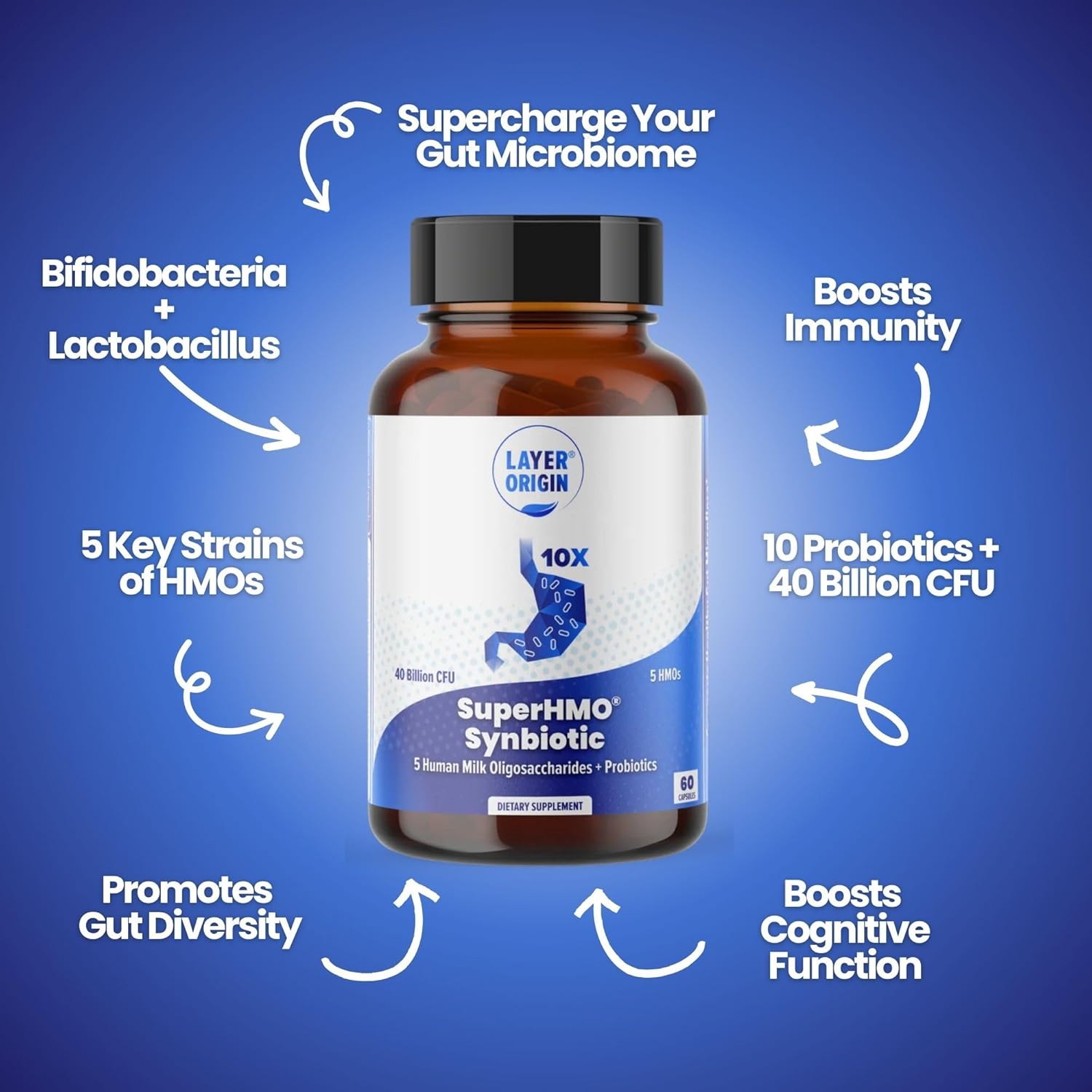
Layer Origins
"Feel better almost immediately I have dysbiosis that has led to SIBO, systemic inflammation, dermatological and joint related issues. On bad flares I get intense joint inflammation and pain to the point of feeling as if I’ve had arthritis for fifty years. Taking this product for just two or three days reverses the inflammation to where I honestly can’t even feel it and my SIBO gas is reduced significantly. This stuff does not make me feel bloated and I can barely tell it is in my shaker" J.
Sodium Butyrate Supplements:
Safety and Use
Butyrate is often studied and consumed in supplement form as sodium butyrate. While research suggests potential benefits, it is important to understand its limitations.
Butyrate supplements are sold as dietary supplements. One challenge is delivery: uncoated sodium butyrate may be absorbed before reaching the colon, which is why some formulations use enteric coatings or microencapsulation. Other forms, such as tributyrin or calcium and magnesium butyrate, are also being studied.
Human clinical studies have used a wide range of doses, commonly between 300 mg and 3,000 mg per day depending on the research goal.
Butyrate supplements are generally well tolerated, although some people experience digestive effects such as gas, bloating, abdominal discomfort, or changes in stool odor. Sodium-containing formulations may require extreme caution for individuals who need to limit sodium intake.
As with any supplement, butyrate should not replace a healthy diet, exercise, or medical care when needed. Supporting the body’s natural production of butyrate through fiber-rich foods and a diverse microbiome remains an important strategy. Supplementation works better for systemic or brain health (tributyrin).
Natural food sources that support butyrate production
Certain foods contain compounds that encourage beneficial bacteria involved in butyrate production.
Pomegranates, for example, contain polyphenols called ellagitannins. Gut bacteria transform these compounds into metabolites that may support beneficial microbes, including butyrate-producing species such as Faecalibacterium prausnitzii and Roseburia.
Other forms of butyrate sold as supplements and key differences:
HMB (β-hydroxy-β-methylbutyrate). HMB has a distinct advantage over sodium butyrate and tributyrin, but only because they serve fundamentally different primary purposes in the body. HMB is a specialized supplement for skeletal muscle preservation and growth, used mostly by athletes and elderly, whereas sodium butyrate and tributyrin are postbiotic supplements used primarily for gastrointestinal and gut barrier health.
Other natural sources of butyrate:
Butter contains about 3% to 4% butyric acid by weight. However, the vast majority of the body’s butyrate is not eaten directly; it is produced internally when gut bacteria ferment dietary fiber. Highest natural concentrations of direct butyrate/tributyrin (grass-fed options often contain higher profiles).
Hard Cheeses: Parmesan and aged goat’s or sheep’s cheeses contain notable amounts.
Whole Milk and Cream: Bovine, goat, and sheep milk provide smaller baseline amounts of short-chain fatty acids.
Your gut microbiome creates the majority of your body’s butyrate by breaking down complex carbohydrates in the colon:
Resistant Starches: Cooked-and-cooled potatoes, green/under-ripe bananas, and legumes.
Whole Grains: Oats, barley, brown rice, and whole wheat. Oat bran.
Prebiotic Vegetables and Whole Fruits: Asparagus, garlic, onions, leeks, artichokes, and apples.