Human Milk Oligosaccharides: How Breast Milk Teaches the Immune System Tolerance
by Mary Ferrari
“How quickly can Human Milk Oligosaccharides (HMOs) begin influencing the immune system? Research suggests they may start interacting with dendritic cells within hours, with changes in regulatory immune signals appearing within about a day. Could regulatory T cells begin developing within days? And how long might it take for these early effects to reshape immune function over weeks or even months?.”
For many years, scientists believed that human milk oligosaccharides (HMOs) primarily served as food for beneficial bacteria in the infant gut. While this important function remains true, recent research has revealed that HMOs do much more than nourish the microbiome. They can also interact directly with immune cells and help shape the developing immune system.
A 2019 study published in the European Journal of Immunology demonstrated that HMOs influence specialized immune cells called dendritic cells, which play a central role in determining how the immune system responds to the world. These findings provide new insight into why breastfeeding is associated with lower rates of allergies, autoimmune diseases, and inflammatory disorders later in life.
Dendritic Cells: The Immune System’s Programmers
Dendritic cells act as sentinels throughout the body. They constantly sample their environment, detecting microbes, food proteins, and other substances. Once they encounter something new, they present that information to T cells, helping determine whether the immune system should launch an attack or develop tolerance. This process is especially important during infancy. Newborns are suddenly exposed to countless bacteria, viruses, and environmental antigens after birth. Their immune systems must learn to distinguish between harmful threats and harmless substances without triggering excessive inflammation. One special type of dendritic cell, known as a tolerogenic dendritic cell, promotes immune balance. These cells help generate regulatory T cells (Tregs), which act as the immune system’s brakes, preventing unnecessary immune reactions and excessive inflammation.
Before T cells develop into specialized helper, cytotoxic, or regulatory T cells, they exist as naïve T cells produced in the thymus from precursor cells that originate in the bone marrow. Naïve T cells are immature immune cells that have not yet encountered a specific antigen and are awaiting activation to develop into specialized T-cell populations. After passing a rigorous selection process that removes cells likely to attack the body’s own tissues, naïve T cells circulate through the bloodstream and lymphoid organs awaiting instructions from dendritic cells. The signals they receive during this first encounter determine whether they become helper T cells, cytotoxic T cells, or regulatory T cells that promote immune tolerance. Although the thymus gradually shrinks with age, the body maintains its pool of naïve T cells through a process called homeostatic proliferation, in which existing T cells slowly divide to replenish the population. Another type of proliferation is Lymphopenia-Induced Proliferation (LIP): A rapid, emergency division that occurs when T cell numbers drop severely (such as after chemotherapy, HIV infection, or radiation). The remaining cells divide quickly to fill the empty immunological space.
Because dendritic cells interact primarily with naïve T cells, this first encounter is a critical checkpoint that determines whether the immune system launches an inflammatory response or establishes long-lasting immune tolerance. In the intestine, this process allows harmless dietary components, beneficial microbes, and human milk oligosaccharides (HMOs) to encourage regulatory rather than inflammatory immune pathways.
HMOs Promote Immune Tolerance
Researchers isolated a natural mixture of HMOs from human milk and exposed human dendritic cells to these compounds in the laboratory. They discovered that HMOs encouraged dendritic cells to adopt a semi-mature, regulatory state rather than a fully inflammatory one. The HMO-treated cells produced increased amounts of important anti-inflammatory signaling molecules, including interleukin-10 (IL-10) and interleukin-27 (IL-27). Both cytokines are known to support immune tolerance and help control inflammation. At the same time, HMOs did not significantly increase production of inflammatory cytokines such as interleukin-12 (IL-12) and tumor necrosis factor-alpha (TNF-α), which are commonly associated with aggressive immune responses.
This combination of increased regulatory signals and limited inflammatory activity suggests that HMOs help educate the immune system to remain balanced during early life.
Protecting Against Excessive Inflammation
The researchers also investigated what happens when immune cells encounter inflammatory stimuli. They exposed dendritic cells to lipopolysaccharide (LPS), a bacterial component that normally triggers strong inflammatory responses. As expected, LPS caused dendritic cells to become highly activated and release inflammatory cytokines. However, when HMOs were added alongside LPS, the inflammatory response was significantly reduced. HMOs suppressed the production of IL-12, IL-6, and TNF-α while maintaining elevated levels of regulatory cytokines such as IL-10. In other words, HMOs did not shut down immunity entirely; instead, they helped prevent excessive inflammation while preserving immune balance.
HMOs Increase Regulatory T Cells
Perhaps the most important finding was the effect of HMOs on T-cell development. Dendritic cells treated with HMOs were significantly more likely to induce regulatory T cells from naïve T cells. The study found that these Tregs were not only increased in number but were also functionally active, capable of suppressing excessive immune responses. This finding provides a potential explanation for why breastfeeding has been linked to lower risks of asthma, allergies, inflammatory bowel disease, and autoimmune conditions.
A Direct Link Between Breast Milk and Immune Development
The study also identified two receptors, DC-SIGN and TLR4, that appear to help dendritic cells recognize HMOs. Through these interactions, HMOs can directly influence immune cell behavior independently of their effects on the microbiome. These discoveries highlight the remarkable complexity of human milk. HMOs are not simply nutrients or prebiotics; they are bioactive molecules that actively participate in immune education. By promoting regulatory dendritic cells, increasing IL-10 production, expanding regulatory T cells, and reducing excessive inflammation, HMOs help establish immune tolerance during one of the most critical periods of human development.
As researchers continue to uncover the many functions of HMOs, it is becoming increasingly clear that these unique components of breast milk play a fundamental role in building a resilient and balanced immune system that can benefit health throughout life.
While we know from cellular models that HMOs interact with dendritic cells almost immediately, a landmark human clinical trial from Stanford University tracks how this translates to a 6-week timeline in the human body.
Weeks 1–2
|
Initial gut adjustments as the prebiotic HMO begins interacting with existing adult bacteria. Week 3 A rapid, statistically significant spike in protective Bifidobacterium populations. Weeks 4–6 Measurable systemic shifts, including an increase in metabolism-regulating FGF21 hormone, HDL cholesterol, and improved insulin markers. |
Dendritic cells (DCs) originate in the bone marrow from hematopoietic stem cells, which are the precursor cells for all blood cells. From the bone marrow, these precursors circulate through the bloodstream to tissues throughout the body, where they mature into highly specialized sentinels that patrol for pathogens.
Macrophages are derived from monocytes (white blood cells) in the blood, or from precursor cells in the yolk sac and fetal liver during embryonic development.
1. Monocyte-Derived Macrophages (Adult Development)
* Precursors: Produced in the bone marrow from stem cells, which then develop into monocytes.
* Process: These monocytes circulate in the bloodstream. When an infection, tissue damage, or inflammation occurs, they migrate into the affected tissues and differentiate into active macrophages.
* Function: They primarily focus on host defense, clearing pathogens, and fighting off inflammation.
2. Tissue-Resident Macrophages (Embryonic Development)
* Precursors: Established before birth directly from embryonic precursors in the yolk sac and fetal liver.
* Process: These macrophages populate organs during early development and maintain themselves throughout adult life, often independently of blood monocytes.
* Function: They help maintain normal organ function, tissue remodeling, and daily cellular cleanup (e.g., in the brain as microglia, or in the liver as Kupffer cells).
more info:
Macrophages and Regulatory T cells (Tregs) have a deeply intertwined, reciprocal relationship.
Rather than acting as separate entities, they communicate constantly in a two-way street to regulate immune responses, promote tissue repair, and resolve inflammation. The relationship between these two critical immune cells unfolds in three primary ways:
1. Macrophages Shape Tregs
Macrophages process cellular debris and present antigens to T cells. Depending on the local environment, they directly guide T cells to become Tregs through:
* Induction
* Proliferation
2. Tregs Regulate Macrophages
Once activated, Tregs act as the “brakes” of the immune system and exert profound control over macrophage behavior via:
* Polarization
* Efferocytosis
* Lipid Reduction
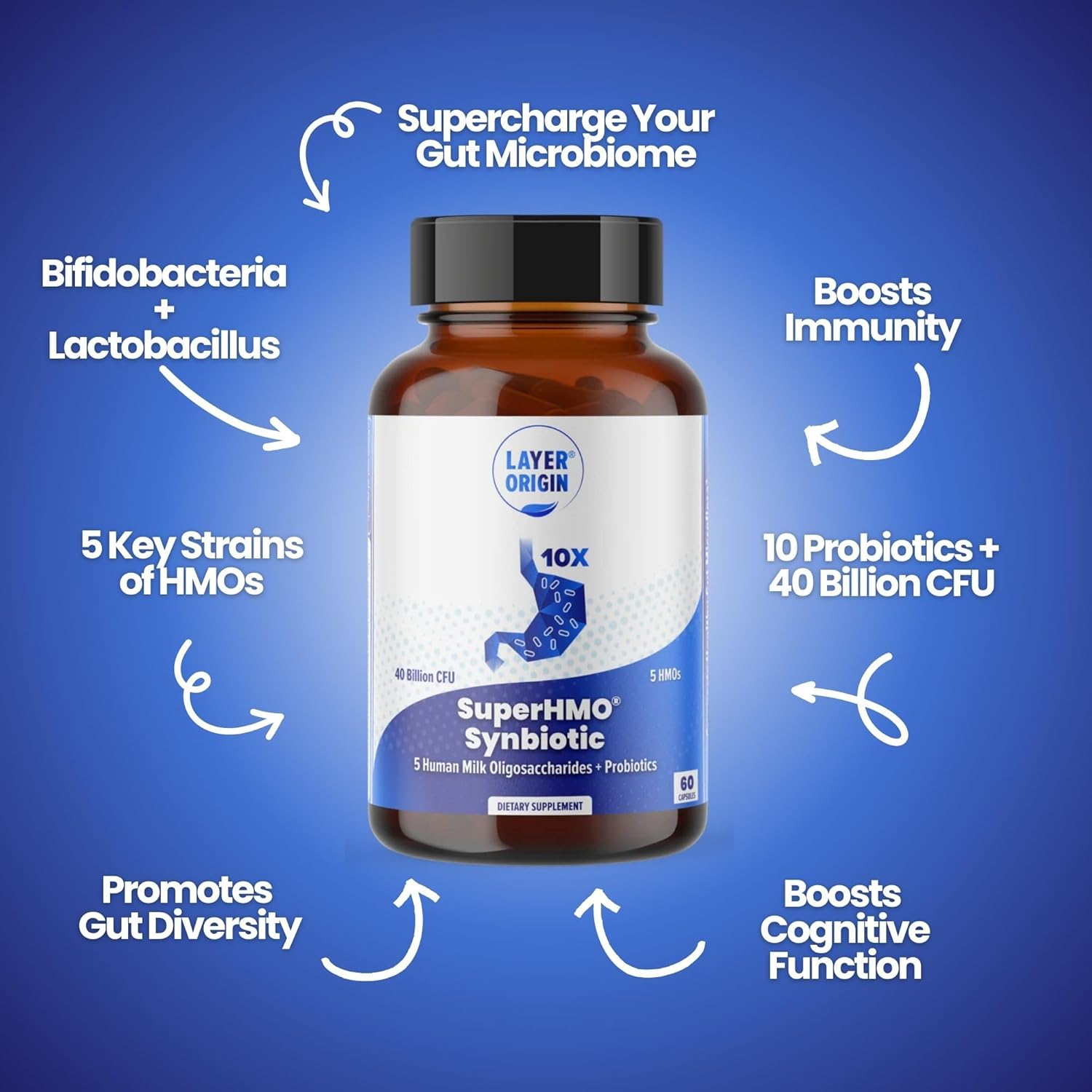
Layer Origins
"Feel better almost immediately I have dysbiosis that has led to SIBO, systemic inflammation, dermatological and joint related issues. On bad flares I get intense joint inflammation and pain to the point of feeling as if I’ve had arthritis for fifty years. Taking this product for just two or three days reverses the inflammation to where I honestly can’t even feel it and my SIBO gas is reduced significantly. This stuff does not make me feel bloated and I can barely tell it is in my shaker" J.