Decoding Fibromyalgia With A Microbiota Mouse Transplant
by Mary Ferrari
“……transplantation of healthy human microbiota reversed the pain hypersensitivity in mice that had previously received microbiota from humans with fibromyalgia….”
The gut microbiome: an ecosystem shaping the host’s health
The gut microbiome, a diverse community of microorganisms residing in the gastrointestinal tract, is increasingly recognized as a key player in human health and disease. Its vast ecosystem not only aids in digestion and nutrient absorption but also exerts profound influences on physiological systems outside the gastrointestinal tract, including the immune, endocrine, cardiovascular, and nervous systems, to name a few. The role of the gut microbiome in various disorders has been increasingly recognized, typically following 4 conceptual research milestones:
- the establishment of an association between the composition of the gut microbiome and a given medical condition,
- establishing a causal role for the gut microbiome in the disorder,
- deciphering the mechanisms allowing the gut microbiome to exert its pathophysiological effects, and
- harnessing the insights into the role of the gut microbiome in the disorder into diagnostic and therapeutic tools.
Fibromyalgia
Fibromyalgia is a complex chronic pain syndrome characterized by widespread pain, fatigue, sleep disturbances, and cognitive difficulties. Although its precise cause remains uncertain, growing evidence points toward the gut microbiome. Studies have found that people with fibromyalgia have specific changes in their gut bacteria, including reductions in species involved in short-chain fatty acid and bile acid metabolism and bacteria that influence immune function.
These differences appear to occur independently of diet, physical activity, medications, and other health conditions.
Beyond correlation: the elusive path of causation
The most compelling evidence goes beyond showing an association and begins to address causation. Gut microbiomes from women with fibromyalgia were transplanted into germ-free mice. Within days following the transplantation, the mice developed pain hypersensitivity, which manifested as spontaneous pain and increased sensitivity to evoked pain. These changes were persistent and did not decay over several months. In contrast, fecal microbiome transplantation (FMT) from healthy individuals did not produce similar changes in pain sensitization. Even more striking, transplantation of healthy human microbiota reversed the pain hypersensitivity in mice that had previously received microbiota from humans with fibromyalgia. These experiments demonstrate that the gut microbiome is not only altered in fibromyalgia but plays a causal role in the syndrome.
Microbiome’s pathophysiological role in fibromyalgia
How might the microbiome influence pain? The gut microbiome is closely connected with the immune and nervous systems through the gut-brain axis. In the mouse experiments, microbiota from people with fibromyalgia produced changes in circulating immune cells and activated microglia in regions of the brain involved in pain processing. The researchers also point to altered microbial metabolites as another possible mechanism. People with fibromyalgia show changes in circulating short-chain fatty acids and secondary bile acids, compounds produced or modified by gut bacteria that can influence immune signaling and pain pathways. In particular, changes in bacteria involved in bile acid metabolism have been associated with depletion of certain secondary bile acids that may have pain-reducing effects.
This research raises an important possibility: fibromyalgia may involve not only abnormal pain processing but also disturbances in the microbial ecosystem that communicates with the immune and nervous systems. If specific microbial communities or their metabolites contribute to pain hypersensitivity, restoring a healthier microbial environment could eventually become part of a mechanism-based approach to treatment. Early clinical research is already exploring this possibility. The review reports that two open-label clinical trials found that FMT from healthy women was associated with decreased pain and overall symptom burden in people with fibromyalgia, although these preliminary findings require confirmation in larger, well-controlled studies.
Clinical applications of the gut microbiome in fibromyalgia
The implications extend beyond fibromyalgia as the gut microbiome influences systems throughout the body, including immune, endocrine, cardiovascular, and nervous-system function. Researchers increasingly view the microbiome through a progression from association to causation, mechanisms, and eventually therapeutic applications. In fibromyalgia, the evidence is beginning to move beyond correlation toward experimental evidence that the microbiome itself can influence pain sensitivity.
Future research will need to determine which bacteria, metabolites, immune pathways, and microbial interactions are most important and whether targeted dietary or microbiome-based interventions can produce lasting improvements. For now, the evidence provides a compelling new perspective on fibromyalgia: the gut may not simply reflect what is happening elsewhere in the body but it may actively participate in the biology of chronic pain.
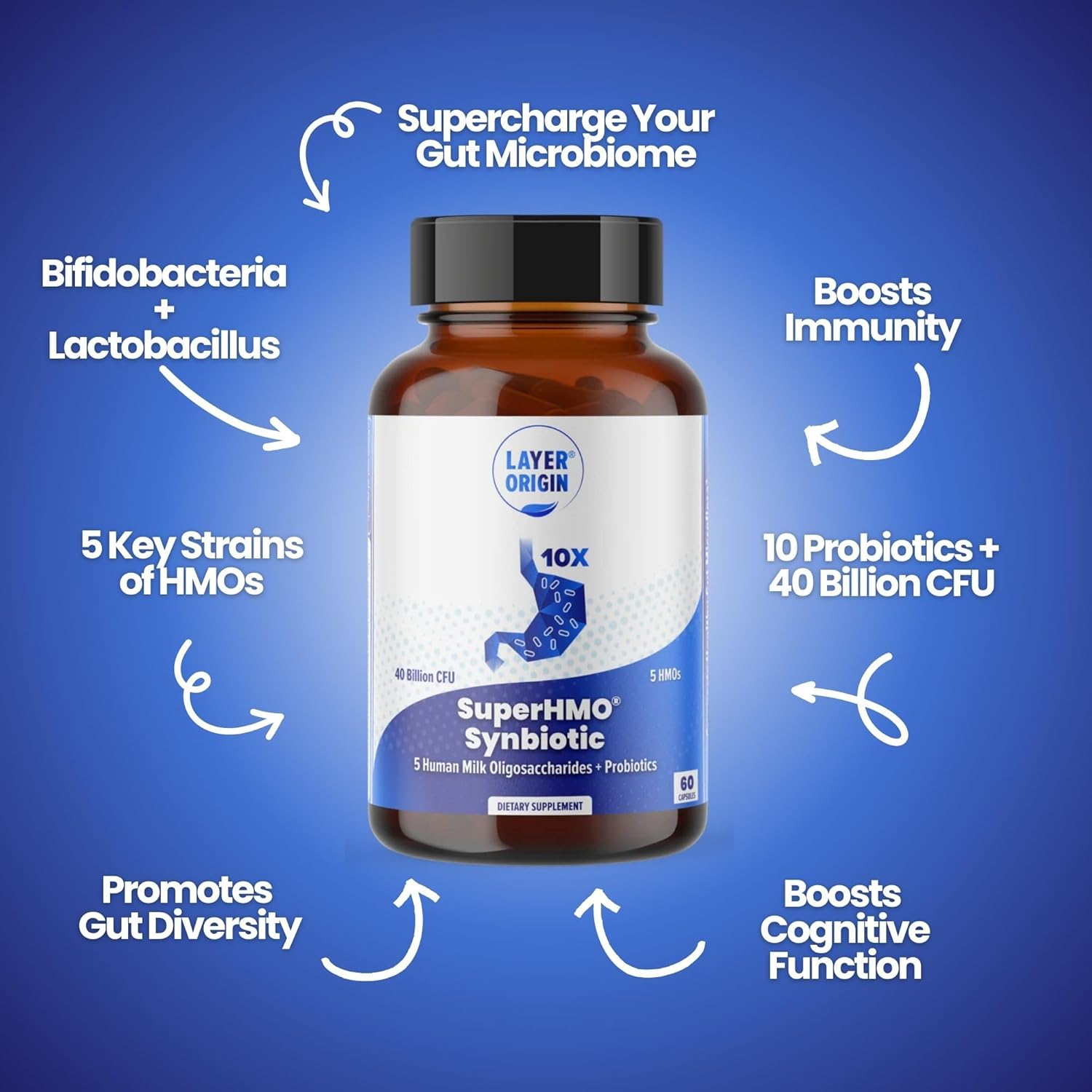
Layer Origins
"Feel better almost immediately I have dysbiosis that has led to SIBO, systemic inflammation, dermatological and joint related issues. On bad flares I get intense joint inflammation and pain to the point of feeling as if I’ve had arthritis for fifty years. Taking this product for just two or three days reverses the inflammation to where I honestly can’t even feel it and my SIBO gas is reduced significantly. This stuff does not make me feel bloated and I can barely tell it is in my shaker" J.
Rheumatic Diseases and the Gut Microbiota
Rheumatic diseases encompass a broad group of conditions affecting the joints, muscles, connective tissues, and immune system, including rheumatoid arthritis (RA), systemic lupus erythematosus (SLE), ankylosing spondylitis (AS), psoriatic arthritis, and fibromyalgia. Over the past decade, substantial evidence has emerged linking alterations in the gut microbiota, known as dysbiosis, with several rheumatic diseases. One notable example is the increased abundance of Prevotella copri, a gut bacterium associated with the onset of autoimmune disease in rheumatoid arthritis. These findings have contributed to growing interest in the possibility that disturbances in the intestinal microbial ecosystem may influence autoimmune and inflammatory processes beyond the gut.
- One proposed mechanism involves disruption of the intestinal barrier. Dysbiosis may increase intestinal permeability, sometimes described as “leaky gut,” allowing bacterial components such as lipopolysaccharide (LPS) to enter the systemic circulation and contribute to chronic immune activation.
- Gut dysbiosis may also disrupt immune homeostasis by altering the balance between pro-inflammatory Th17 cells and anti-inflammatory regulatory T (Treg) cells. This imbalance has been implicated in several rheumatic conditions, including RA, AS, and SLE. In SLE, for example, an overrepresentation of Ruminococcus gnavus has been associated with the translocation of nucleic acid antigens, providing another potential connection between microbial disturbances and systemic autoimmunity.
Together, these findings support the concept of a “gut-immune-joint axis,” in which changes within the intestinal microbiota influence immune activity that can affect distant tissues and organs. A related concept, the gut-joint axis, proposes that immune events originating in the gut may have remote consequences for joint inflammation and other manifestations of rheumatic disease. This expanding field has made the gut microbiota an increasingly attractive therapeutic target. Dietary modification, probiotics, prebiotics, and fecal microbiota transplantation are being investigated for their potential to influence microbial composition, restore immune balance, and reduce disease activity. These approaches remain an active area of research, and this emerging perspective suggests that understanding rheumatic disease may require looking beyond the joints themselves to the microbial ecosystem and immune network that connects the gut with the rest of the body.