by Mary Ferrari
The Gut-Metabolic Axis: Contributions of Butyrate and Fiber
Though they work through different mechanisms, both have potential fast acting relevance to intestinal and metabolic health.”
The Gut-Metabolic Connection
When it comes to blood sugar control and weight management, the conversation usually centers on what to remove: carbohydrates, calories, or certain foods but metabolic health is also influenced by what we provide the body, particularly the nutrients and compounds that interact with the gut microbiome. The gut-metabolic axis connects the intestinal microbiome with processes that regulate glucose metabolism, insulin sensitivity, appetite, inflammation, and energy use.
Two highly effective compounds emerge in this space: wheatgrass powder and sodium butyrate supplements. While each is highly effective on its own, utilizing both of them creates a profound metabolic dynamic that targets insulin resistance, repairs a damaged gut barrier, and naturally triggers fat burning from the inside out.
Supporting the GLP-1 Pathway
One of the most important connections between the gut and metabolism involves GLP-1 (glucagon-like peptide-1). This hormone is produced by specialized entero-endocrine cells in the intestine and plays an important role in glucose regulation and appetite. GLP-1 stimulates insulin secretion when blood glucose is elevated, slows gastric emptying, and contributes to signals of fullness. Sodium butyrate is a short-chain fatty acid (SCFA) that directly binds to these receptors on the entero-endocrine cells causing an immediate release of GLP-1.
You have likely heard of GLP-1 (glucagon-like peptide-1), the exact hormone targeted by popular diabetes/weight loss drugs. GLP-1 tells your pancreas to secrete insulin efficiently, slows down digestion to prevent blood sugar spikes, and signals your brain that you are full. You don’t necessarily need a synthetic prescription to activate this pathway; your gut cells are designed to produce it naturally when stimulated by specific compounds.
The gut microbiota can influence this pathway through butyrate. Butyrate has been shown in experimental research to influence GLP-1 secretion but what do animal studies actually show about the paradoxical effects of butyrate from a review titled; Butyrate: A Double-Edged Sword for Health? In one study pathogen–free, male mice fed a high fat diet were gavaged with sodium butyrate, whereas the control group received a supplement. Short-term oral administration of sodium butyrate alleviated diet-induced obesity and insulin resistance through activation of adiponectin-mediated pathway and stimulation of mitochondrial function in the skeletal muscle.
In another study two groups of male mice were fed a low-fat diet with or without VSL#3 (a medical probiotic supplement), and 2 groups were continued on a high-fat diet with or without VSL#3. Butyrate stimulated the release of GLP-1 from intestinal L cells, thereby providing a plausible mechanism for VSL#3 action.
In a third study experimental groups of mice were fed a semisynthetic high-fat diet incorporated with SCFAs at 5%,
whereas the control groups were fed a normal-fat diet. SCFAs protect against high fat diet–induced
obesity via a PPAR-γ –dependent switch from lipogenesis to fat oxidation.
The review concluded that as a microbial metabolite, butyrate is capable of exerting its effects on host metabolism indirectly by acting through the gut-brain axis and that butyrate can enhance the proportion of cholinergic enteric neurons via epigenetic mechanisms. With an ability to cross the blood-brain barrier, butyrate activates the vagus nerve and hypothalamus, indirectly affecting host appetite and eating behavior. Some of the beneficial metabolic effects of butyrate are mediated through gluconeogenesis from the gut epithelium and through a gut-brain neural circuit to increase insulin sensitivity and glucose tolerance. For example, butyrate binds to its receptor in the intestinal cells and signals to the brain through the cAMP signaling pathway. They advised that more studies are needed to explore the impact of butyrate on glycolipid metabolism abnormalities and disease via the gut-brain axis and that microbe-derived butyrate plays an important role in both gut health and obesity of the host. New mechanisms are being revealed but the reason behind the paradoxical effect of butyrate on glucose and lipid metabolism, especially with regard to its role in obesity, remains elusive. A better understanding of the mechanism of action of butyrate in intestinal physiology and lipid metabolism is necessary to facilitate the application of butyrate and HDAC inhibitors in gut health improvement for the control and the prevention of metabolic diseases. Although a large body of evidence has suggested the effect of butyrate on alleviating high fat diet–induced obesity and insulin resistance, a few studies showed an opposite effect and additional investigations are warranted to understand the apparently paradoxical effects of butyrate on obesity.
There are many reasons why some studies seem paradoxical dependent upon dose, treatment combinations, study objective or animal model. The HFD (high fat diet) mouse model usually consists of a lard and soy oil combination because chronic consumption of saturated fats (lard) combined with omega-6 polyunsaturated fatty acids (soybean oil) alters the biochemical environment of the distal gut and is particularly relevant for the study of NAFLD (non alcoholic fatty liver disease).
Butyrate is also being studied as a potential cancer drug so study objectives and doses can vary widely. All butyrate supplements when taken as recommended are GRAS (generally regarded as safe).
That butyrate focuses on beneficial gene expression via HDAC’s is clear. HDACs are key elements in the development of type 2 diabetes, as they significantly influence both lipid and glucose metabolism.
So rather than viewing the two as replacements for medical treatments that target GLP-1, it is more accurate to view them as nutritional and microbial factors that can interact through the gut ecosystem in a complementary fashion even if all mechanisms aren’t fully understood by researchers. Follow supplement recommendations and space them by taking one in the morning and the other in the evening.
Why Whole-Leaf Wheatgrass Matters
Many people assume that wheatgrass juice is the gold standard, but for true gut health and diabetes management, whole-leaf wheatgrass powder reigns superior. Juicing removes much of the plant’s structural fiber, whereas whole-leaf wheatgrass powder retains more of the plant matrix including complex plant sugars like fructans and malto-oligosaccharides, the nondigestible carbohydrates and other components that pass through the upper digestive tract and reach the colon.
Once they reach the large intestine, resident bacteria can metabolize fermentable carbohydrates and produce short-chain fatty acids and other metabolites. In this way, plant material provides the raw material for microbial metabolism and support the microbial ecosystem that can continuously produce a full complement of metabolites from dietary substrates.
Building a Butyrate-Producing Environment
Research has associated metabolic disorders, including obesity and type 2 diabetes, with changes in the composition and function of the gut microbiome, including reductions in some bacteria capable of producing short-chain fatty acids. A disrupted microbial ecosystem contributes to altered intestinal barrier function and inflammatory signaling.
Butyrate is important to the colon because it serves as a major energy source for colonocytes and participates in signaling pathways involved in intestinal barrier function and immune regulation.
Butyrate acts as a powerful signaling molecule by inhibiting enzymes known as histone deacetylases (HDACs), which regulate how genes are expressed. By inhibiting HDAC activity, butyrate can alter the structure of chromatin and make certain genes more accessible for transcription. This provides a direct connection between the gut microbiome and cellular gene regulation, allowing a microbial metabolite to influence processes involved in inflammation, metabolism, immune function, and cellular health. Butyrate does more than support the intestinal environment, it can act as an epigenetic messenger linking cell responses and function throughout the body.
Sodium butyrate provides butyrate directly. When you take a sodium butyrate supplement, you provide your gut lining with immediate, therapeutic fuel that acts quickly, sealing the gaps in your intestinal wall and lowering inflammation. Then when the fiber from your wheatgrass powder arrives and you are using wheatgrass to feed the biological factory that produces butyrate natively and help support normal glucose metabolism.
This creates a novel dynamic between supplying butyrate and supporting the microbial production of butyrate. The two approaches therefore target different parts of the same broader gut metabolic system.
Supporting Glucose Metabolism With Wheatgrass Powder
The potential metabolic effects extend beyond the intestine. Glucose metabolism depends on a network of enzymes and signaling pathways involving the intestine, liver, pancreas, muscle, and adipose tissue. Some experimental studies of wheatgrass and its constituents have reported effects on enzymes involved in glucose metabolism, including hexokinase, as well as pathways involved in glycogen storage.
The metabolic benefits extend deep into your liver and cellular pathways. Hexokinase helps cells utilize glucose by phosphorylating (trap) it, an early step in glucose metabolism. Chronic high blood sugar desensitizes critical enzymes like hexokinase, the enzyme responsible for trapping glucose inside your cells so it can be burned for energy. When hexokinase drops, glucose pools in your blood, and your body hoards fat. Rather than forcing the body to make more hexokinase, wheatgrass preserves the structural integrity of the existing enzymes, allowing them to effectively trap glucose inside liver and muscle cells. This provides a direct path to normal glycogen storage.
Biomedical studies have demonstrated that the unique antioxidant profile of wheatgrass helps restore hexokinase enzyme activity toward normal baselines. Chronic high blood sugar causes severe oxidative stress. Excess glucose generates high levels of reactive oxygen species (ROS), which chemically modify and damage the structure of metabolic enzymes. Hexokinase is highly vulnerable to this oxidative damage; when oxidized, its structure warps, causing its activity levels to plummet.
Why obesity may begin in early life
Modern industrialized environments have altered these evolutionary pressures. Calories are widely available, while formula-fed infants tend to grow faster than breastfed infants later in infancy. Breastfeeding is associated with reduced risks of immune-mediated disease. One hypothesis discussed by the American Association for the Advancement of Science proposes that removing evolutionary constraints on energy allocation may disrupt immune regulation, contributing to excessive inflammation, dysbiosis, and diseases such as obesity, type 1 diabetes, atopy, and asthma.
The timing of microbial exposure may be critical because immune tolerance develops during a limited early-life window. Microbial and dietary antigens can promote regulatory T cells (Tregs), helping establish appropriate immune responses. Bifidobacterium infantis, abundant in some breastfed infants but nearly absent from many children in Europe and North America, may be an important part of this developmental process.
HMOs and Butyrate
Human milk provides nutrients and bioactive compounds that support infant development, including human milk oligosaccharides (HMOs). These indigestible sugars help shape the microbiome and can contribute to butyrate production through microbial cross-feeding. Bifidobacterium bifidum and other primary degraders break down HMOs, providing substrates that butyrate-producing bacteria such as Faecalibacterium prausnitzii can convert into butyrate. This short-chain fatty acid fuels colonocytes, supports the intestinal barrier, and helps regulate immune function.
Maternal metabolic health may also influence this system. Maternal obesity is associated with changes in HMO concentrations that are associated with infant adiposity. A study in Nutrients found that maternal glucose homeostasis, insulin levels, and insulin sensitivity were associated with HMO composition two months postpartum, suggesting that maternal metabolic status may influence the production of these important milk components. There are several limitations to this study that should be considered, however some data indicates a positive association between HMO consumption and both infant adiposity and growth that exists when maternal BMI and secretor phenotype are controlled for. This observational study sets a precedence for future work that aims to evaluate a direct link between HMO consumption and infant growth within the context of maternal obesity.
but……
It’s important to note, long term changes in microbiota using butyrate supplements or wheatgrass are not permanent. The microbiota will revert back to a previous baseline. Only HMO’s introduce long term healthy colonization. Clinical studies monitoring adults after a multi-week course of pooled HMOs revealed a unique phenomenon: the microbiome did not simply revert to baseline after cessation. Instead, stopping the HMOs triggered a healthy microbial succession. During the supplement phase, Bifidobacterium levels expanded dramatically. Once the HMOs stopped, those levels naturally subsided, but they were immediately replaced by an expansion of native Bacteroides and other beneficial Bacteroidetes species. This mirrors the permanent, healthy transition that occurs in infant guts when they are weaned off breast milk, paving the way for a stable, resilient adult community. Day 28 tracking metrics (which was 21 days after completely stopping HMO supplements) bacteroides expanded and systemic markers like TGFβ and IL-10 remained altered long after cessation.
The adult gut microbiome is highly protective and naturally fights off new, foreign bacteria, a mechanism called colonization resistance. This is why standard adult probiotic supplements rarely establish permanent residency; they are usually shed in stool within days.
HMOs bypass this by working as a highly selective food source (a substrate) rather than a competitor. Because only very specific, beneficial microbes possess the specialized genes required to break down and eat HMO structures, taking them allows you to aggressively feed and multiply your own native, deep-rooted strains. You are fundamentally changing the population density of the bacteria already living there, allowing them to permanently push out less desirable strains.
*One exception is whole fat mammal milk.
Bifidobacterium is considered a milk-borne organism because it has co-evolved a symbiotic relationship with mammalian milk production. It is physically carried in breast milk and uniquely adapted to feed on milk-specific sugars. Due to specialized genetics, infant-type Bifidobacterium (such as B. infantis and B. bifidum) possess unique gene clusters, ABC transporters, and glycoside hydrolase enzymes (like LnbX) specifically evolved to capture and ferment these milk sugars. They convert these milk sugars into beneficial short-chain fatty acids (acetate and lactate) via a unique metabolic pathway called the phosphoketolase or “bifid shunt.” Because of its natural affinity for milk components, Bifidobacterium readily thrives in dairy matrices. This makes milk and yogurts one of the most effective commercial vehicles for delivering these probiotics to human intestines, however HMO’s are unique and obviously precede this dairy relationship through breastfeeding.
While a plant powder provides temporary mechanical support or a quick burst of antioxidants, complex HMO mixtures act as structural architects. By selectively multiplying beneficial populations, changing the metabolic outputs (like boosting butyrate), and triggering a natural microbial succession, they can shift your baseline microbiome profile long after the initial supplementation period ends. According to new research, addressing inherent dysbiosis and then maintaining a healthy diet may help restore normal butyrate production.
Enabling Exogenous Strain Engraftment
For adults who completely lack critical keystone strains—such as Bifidobacterium infantis (which is common in infants but typically absent in modern adults), HMOs act as a mandatory anchor. Clinical trials show that when adults take a synbiotic pairing of B. infantis alongside HMOs, the bacteria successfully engrafts into the adult microbiome, scaling up to compose up to 25% of the total gut population. Crucially, this high-level engraftment is completely HMO-dependent. Without the presence of HMOs to feed it and block competitors, the strain cannot colonize the adult gut.
Wheatgrass and sodium butyrate influence glucose metabolism and hexokinase activity through distinct biochemical mechanisms and while not inherently synergistic each compound offers profound effects. While wheatgrass acts primarily as an antioxidant-driven enzymatic protector, sodium butyrate functions as a histone deacetylase (HDAC) inhibitor and epigenetic regulator. Wheatgrass restores hexokinase activity through an antioxidant mechanism, utilizing concentrated flavonoids and phenolic compounds to directly neutralize reactive oxygen species (ROS) and protect the enzyme’s physical structure from oxidative degradation, thereby allowing it to efficiently trap glucose for glycogen storage. Sodium butyrate operates via epigenetic and receptor-mediated pathways as a histone deacetylase (HDAC) inhibitor and GPR43 ligand, which means it regulates the genetic expression of hexokinase isoforms in a highly tissue specific manner, often down regulating over expressed hexokinase 2 in hyper-glycolytic or inflammatory states while promoting glycogen synthesis downstream through the AKT-GSK3 signaling axis rather than via direct enzymatic structural preservation. Sodium butyrate does support liver glycogen storage, but it bypasses the wheatgrass hexokinase restoration pathway to do so.
Bringing the Two Together
The most beneficial aspect of combining wheatgrass with sodium butyrate is the possibility of addressing two different levels of the gut-metabolic system for faster results. Sodium butyrate supplies a low dose short-chain fatty acid directly, while the fermentable components of whole-leaf wheatgrass provide substrates for the microbiota that may help produce a full complement of SCFA metabolites naturally while protecting important enzymes from oxidative stress.
This distinction matters because long-term metabolic health depends on more than a single supplement. The intestinal environment is shaped by the overall diet, the diversity and function of the microbiome, physical activity, sleep, medications, and many other factors. A fiber-rich dietary pattern can provide the microbial substrates needed to support short-chain fatty acid production, while butyrate itself represents one of the metabolites through which the microbiome can communicate with intestinal and metabolic systems.
The emerging science therefore points toward a broader principle: metabolic health is closely connected to the health and function of the gut ecosystem. Supporting that ecosystem may influence the signals linking digestion, microbial metabolism, intestinal barrier function, inflammation, appetite, and glucose regulation. Wheatgrass and sodium butyrate are best understood within this larger framework, not as a magic combination, but as two potentially complementary pieces of the healthy gut-metabolic axis.
The primary and most critical reliable factor, proper gut and immune development remains breastfeeding, HMO’s and the immense influence of bifido as the first colonizers of the infant gut, the species that are maintained throughout life in the healthy gut ecosystem.
“If you’ve been breastfed, a natural healthy diet is always better and safer than supplements or trying to micromanage a complex gut ecosystem with supplements.”
“If you can’t grasp many of these ‘syndromes’ are adult diet independent, or that both obesity and stunted growth can be transferred or reversed via microbiota composition, you are not going to get it. Take the time to visit all source material to learn more about this emerging research.”
These differences appear to occur independently of diet, physical activity, medications, and other health conditions. read more here….
DISCLAIMER: Sodium butyrate can elevate sodium levels. Sodium restricted diets should consult a physician. Some butyrate supplements (HMB – Beta-Hydroxy Beta-Methylbutyrate) contain the warning to NOT exceed recommended dose.
Source:
2023
Human milk oligosaccharides modulate the intestinal microbiome of healthy adults
2022
2025
Effect of Sodium Butyrate Supplementation on Type 2 Diabetes—Literature Review
2026
2016
2020
2017
Hypoglycemic and Hypocholesterolemic Potential of Wheat Grass Juice Extract and Powder on Diabetics
2013
Antidiabetic and Antioxidant Properties of Triticum aestivum in Streptozotocin-Induced Diabetic Rats
2022
Immune-microbe interactions early in life: A determinant of health and disease long term
2021
2017
2005
Obesity alters gut microbial ecology
2014
Abstract
Diabetes mellitus (DM) is a leading cause of morbidity and mortality in the world. Insulin resistance and insulin insufficiency is the major factor for the prognosis of type II diabetes. Consistent high glucose level leads to multiple secondary complications in diabetic patients. Hence, hypoglycaemic drugs are of significance for reducing the risk of secondary complications in type II diabetes. Various hypoglycaemic drugs are already available in the market, but they are associated with several side effects. Therefore, traditional herbs have emerged as safer alternative for effective hypoglycaemic treatment. The juvenile grass of common wheat is known as wheatgrass (WG). It is commonly used as a health drink and has potent antioxidant efficacy. It has been used to cure DM in folk medicine. The current study was planned to test the hypoglycaemic effect and pathways regulated by WG on DM. We analysed the glucose and insulin levels in plasma, the activity of glucose oxidative enzymes, hexokinase and glucose 6 phosphate dehydrogenase, in serum and glycogen levels in liver of the male albino Wistar rats. Activity of glucose oxidative enzymes and the levels of insulin and liver glycogen were decreased in rats with diabetes, but they were reversed on treatment with WG. Hence, we conclude that WG can act as a potent anti-hyperglycaemic agent.
2020
Gut microbiota and diabetes: From correlation to causality and mechanism
2025
2025
2018
Butyrate, a four-carbon short-chain fatty acid, is produced through microbial fermentation of dietary fibers in the lower intestinal tract. Endogenous butyrate production, delivery, and absorption by colonocytes have been well documented. Butyrate exerts its functions by acting as a histone deacetylase (HDAC) inhibitor or signaling through several G protein–coupled receptors (GPCRs). Recently, butyrate has received particular attention for its beneficial effects on intestinal homeostasis and energy metabolism. With anti-inflammatory properties, butyrate enhances intestinal barrier function and mucosal immunity. However, the role of butyrate in obesity remains controversial. Growing evidence has highlighted the impact of butyrate on the gut-brain axis. In this review, we summarize the present knowledge on the properties of butyrate, especially its potential effects and mechanisms involved in intestinal health and obesity.
Butyrate: A Double-Edged Sword for Health?
2021
Wheatgrass inhibits the lipopolysaccharide-stimulated inflammatory effect in RAW 264.7 macrophages
2022
2021
Microbial regulation of hexokinase 2 links mitochondrial metabolism and cell death in colitis
2019
Sodium Butyrate Improves Liver Glycogen Metabolism in Type 2 Diabetes Mellitus

Key Human Studies on Wheatgrass and Diabetes


- The 60-Day Diabetes & Weight Trial: A human study tracked 30 non-insulin-dependent type 2 diabetic subjects. The experimental group took 3 grams of wheatgrass powder daily for 60 days.
- The Results: The wheatgrass group showed significant reductions in overall body weight and BMI. Their fasting blood glucose dropped from an average of 192 mg/dL to 179 mg/dL, and post-meal spikes significantly decreased. The control group saw no such improvements.
To prove that wheatgrass restores hexokinase enzymes or increases liver glycogen levels, scientists have to look directly at liver and tissue samples, which can easily be done in animal models but cannot be ethically or easily done via routine human trials.
However, because the human trials do show lowered blood sugar and reduced hunger, scientists assume the underlying mechanism (the enzyme and insulin response) is working similarly in humans.
Source:
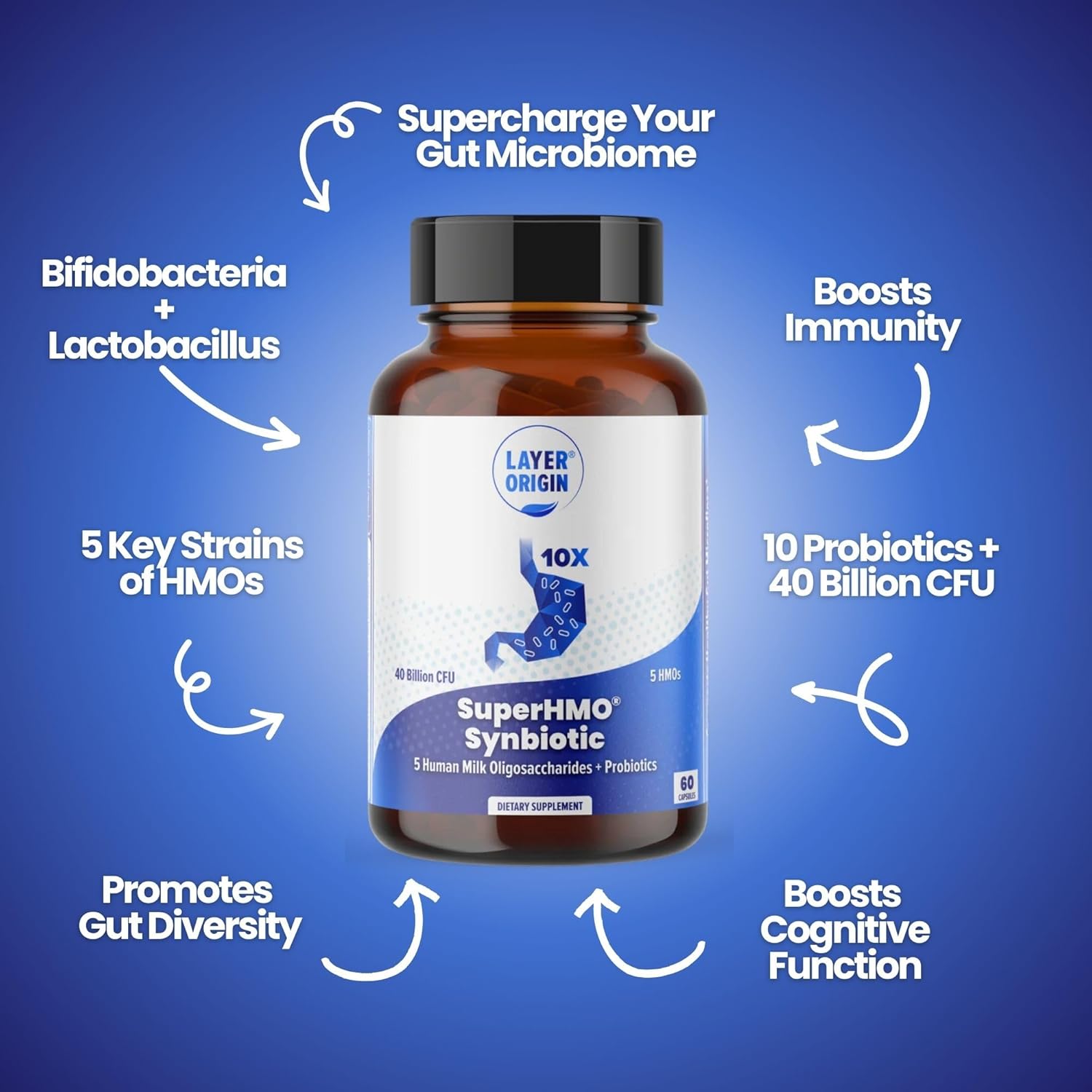
Layer Origins
"Feel better almost immediately I have dysbiosis that has led to SIBO, systemic inflammation, dermatological and joint related issues. On bad flares I get intense joint inflammation and pain to the point of feeling as if I’ve had arthritis for fifty years. Taking this product for just two or three days reverses the inflammation to where I honestly can’t even feel it and my SIBO gas is reduced significantly. This stuff does not make me feel bloated and I can barely tell it is in my shaker" J.
videos coming soon……