Beyond the Gut: The Full Therapeutic Potential of Butyrate
“Although butyrate absorption into circulation is typically minimal, its broader health implications are substantial…”
Butyrate possesses systemic anti-inflammatory properties, particularly, its capacity to reduce pro-inflammatory cytokines and maintain immune homeostasis, highlighting its therapeutic potential in managing dysbiosis and inflammatory diseases. Although butyrate absorption into circulation is typically minimal, its broader health implications are substantial, especially regarding obesity and type 2 diabetes through its influence on metabolic regulation and inflammation. This narrative review thoroughly examines butyrate’s growing recognition as a modulator of neurological health via its interaction with the gut-brain axis. Additionally, butyrate’s neuroprotective effects are mediated through activation of specific G-protein-coupled receptors, such as FFAR3 and GPR109a, and inhibition of histone deacetylases (HDACs). This focus will help unlock its full therapeutic potential for metabolic and neurological health, rather than exclusively on its well-known benefits for gut health, as these are interconnected.
Microbiota Plays Critical Role in Immune Disorders
The gut microbiota has been studied for decades and conclusive evidence shows that it influences the development, homeostasis and function of the immune system.
The gut microbiota interacts to T cells or signals via Toll-like receptors and Nod-like receptors. These signals mediate cell induction and function, thus ensuring homeostasis in the human immune system.
Different types of bacteria in the gut help guide how T cells grow and develop. These include helper T cells (like Th1, Th2, and Th17) and regulatory T cells (Treg), which help control the immune system. Gut bacteria also make small substances called short-chain fatty acids (SCFAs). These help turn T cells on or off and keep the immune system balanced.
Gut microbiota dysbiosis is caused by a variety of mechanisms including improper infant gut development from formula feeding, microbiome imbalance, immune dysregulation, proinflammatory mechanisms, and metabolic activities. Overuse of antibiotics can also lead to dysbiosis.
Dysbiosis leads to various T cell-related diseases, including:
- rheumatoid arthritis (RA)
- type 1 and type 2 diabetes,
- asthma
- cardiovascular disease
- inflammatory bowel disease (IBD) (encompassing a variety of inflammatory gut related disorders)
- cancer
- liver disease
- psychiatric disorders
Beyond Gut Health: How Butyrate May Support Metabolic and Neurological Health
Butyrate is best known as a short-chain fatty acid produced when beneficial gut bacteria ferment dietary fiber and resistant starch. It is an important energy source (fuel) for colon cells and helps maintain the intestinal barrier, but research increasingly suggests that its influence extends far beyond the gut. A 2025 narrative review in Nutrients (Beyond the Gut: Unveiling Butyrate’s Global Health Impact Through Gut Health and Dysbiosis-Related Conditions: A Narrative Review) examines butyrate as a metabolic and neurological signaling molecule, highlighting its effects on inflammation, immune regulation, energy metabolism, gene expression, and the gut–brain axis. The emerging picture is that gut health, metabolic health, and neurological health are not separate systems and they communicate continuously through microbial metabolites such as butyrate.
Infancy and Beyond
The critical importance of HMOs extends far beyond infancy and modern research increasingly suggests that the mechanisms through which HMOs support infant health may also benefit adults and older individuals. HMOs exert three major biological effects. First, they selectively stimulate the growth of beneficial microorganisms, particularly bifidobacteria, while limiting the expansion of potentially harmful bacteria. Second, they influence the immune system both directly and indirectly through microbial metabolites. Third, they help strengthen and protect the intestinal barrier, reducing the ability of pathogens and toxins to invade intestinal tissues and trigger inflammation. This sequence of actions make HMOs uniquely positioned to address the underlying biological processes involved in many chronic inflammatory conditions. One of the most compelling aspects of HMOs is their role as prebiotics. According to the International Scientific Association for Probiotics and Prebiotics, a prebiotic is a substance that is selectively utilized by host microorganisms and confers a health benefit. HMOs fit this definition exceptionally well because they specifically nourish bacteria that contribute to a healthy gut ecosystem. Beneficial microbes metabolize HMOs and produce compounds such as short-chain fatty acids, including acetate, propionate, and butyrate. These compounds provide energy for intestinal cells, strengthen the gut barrier, regulate immune activity, and help suppress inflammation.
Butyrate and the Gut: Where the Influence Begins
Butyrate is one of the major short-chain fatty acids produced by the gut microbiome. Most intestinal butyrate comes from the bacterial fermentation of nondigestible carbohydrates, particularly dietary fiber and resistant starch. Species such as Faecalibacterium prausnitzii, Roseburia, Eubacterium, and other bacteria contribute to its production. Butyrate is rapidly taken up by colonocytes, where it serves as an important metabolic fuel. It also influences the intestinal barrier, immune signaling, and inflammatory pathways.
The intestinal barrier is more than a physical barrier, it helps determine which microbial products remain inside the intestine and which can interact with the immune system or enter circulation. Butyrate supports tight-junction integrity and can influence inflammatory signaling through receptors such as GPR41, GPR43, and GPR109A.
It can also inhibit enzymes called histone deacetylases, or HDACs, creating an additional route through which it can influence cellular behavior and gene expression.
One of the most latest areas of butyrate research involves energy metabolism. Obesity is closely associated with chronic low-grade inflammation, altered energy regulation, insulin resistance, and changes in the gut microbiome. The review describes evidence linking reduced abundance of butyrate-producing bacteria with metabolic disorders and suggests that butyrate may influence energy balance, fat metabolism, and inflammatory pathways.
Much of the strongest mechanistic evidence comes from animal studies although there are some small human studies. In high-fat-diet models, butyrate increased AMPK activity, improved insulin sensitivity, increased energy expenditure, and stimulated mitochondrial biogenesis. AMPK functions as an important cellular energy sensor, while mitochondrial biogenesis increases the capacity of cells to produce and manage energy. These findings are particularly interesting because they connect the gut microbiome with the body’s fundamental energy-producing machinery.
Type 2 Diabetes and Insulin Resistance
Type 2 diabetes involves impaired insulin signaling and declining pancreatic beta-cell function, with insulin resistance playing a central role. Research summarized in the review suggests a relationship between butyrate production, gut microbial composition, glucose regulation, and insulin sensitivity. Human genomic and microbiome data have found that higher butyrate production can be associated with a better insulin response to glucose.
Animal experiments provide additional clues. HDACs are key elements in the development of type 2 diabetes, as they significantly influence both lipid and glucose metabolism. The connection between butyrate, HDACs, and type 2 diabetes suggests a potential novel clinical strategy in this context. Some other studies also investigated the association between HDAC inhibition and butyrate supplementation. In one study, sodium butyrate was administered alongside metformin to explore its effects on diabetes-related disorders in rats. The findings showed that both sodium butyrate and metformin significantly reduced fat accumulation, dyslipidemia and insulin resistance. Additionally, glucose management improved, and histological damage in specific liver and pancreatic tissues was mitigated. When sodium butyrate and metformin were used together, HDAC activity was suppressed, and gluconeogenesis levels were specifically reduced due to changes in forkhead box protein O1 and glucagon expression.
Cardiovascular Health and Hypertension
The effects of butyrate may also extend to cardiovascular health because inflammation, metabolism, the gut barrier, and vascular function are intertwined. In animal models of atherosclerosis, butyrate has been associated with reduced lipid deposition and macrophage accumulation in plaques, improved gut permeability, and fewer aortic lesions. The review also describes evidence that butyrate can reduce inflammatory cytokines such as TNF-α and IL-6.
There is also preliminary human evidence connecting butyrate with blood pressure. One study found that higher fecal butyrate levels were inversely associated with hypertension in overweight and obese cancer survivors, while increases in butyrate over a year were associated with lower blood pressure. These findings are promising, but more research is needed.
Inflammatory Bowel Disease
Butyrate’s effects on inflammatory bowel disease illustrate how its local and systemic functions can overlap. Inflammatory bowel conditions such as ulcerative colitis and Crohn’s disease are associated with disrupted intestinal barrier function, altered microbiota, and excessive inflammatory signaling. Butyrate can strengthen the intestinal barrier while influencing immune cells and inflammatory pathways, including NF-κB.
The review reports that adding butyrate-based treatments to therapy for active ulcerative colitis has been associated with improvements in inflammatory markers. One study involving butyrate-loaded microcapsules reported sustained remission in most treated patients over 12 months.
Cancer and Cellular Regulation
Butyrate is also being investigated for its potential role in cancer biology. Its ability to inhibit HDAC enzymes is particularly significant because HDACs regulate how tightly DNA is packaged and therefore influence which genes are expressed. Butyrate has also been reported to influence immune responses, promote Treg differentiation, reduce inflammatory cytokines and affect pathways involved in tumor-cell survival.
This does not mean that butyrate is an established cancer treatment. Rather, it demonstrates why a microbial metabolite deserves attention beyond its traditional classification as a digestive health compound. The same molecule can function as a fuel, signaling molecule, immune regulator, and epigenetic modifier.
Alzheimer’s and Neurodegenerative Disease
Perhaps the most intriguing expansion of butyrate research is the gut–brain connection. The gut and brain communicate through neural, immune, endocrine, and metabolic pathways. Microbial metabolites can participate in this communication, and some can enter circulation and potentially influence tissues beyond the intestine. The review specifically discusses the relationship between gut microbiota disruption and neurological conditions including Alzheimer’s disease, Parkinson’s disease, and autism spectrum disorder.
Research indicates that butyrate can alleviate neurological disorders, including Alzheimer’s, Parkinson’s, autism spectrum disorder, and Huntington’s disease, by reducing neuroinflammation, enhancing neurotransmitter modulation and improving histone acetylation. This focus will help unlock its full therapeutic potential for metabolic and neurological health, rather than exclusively on its well-known benefits for gut health.
The mechanisms are especially interesting because butyrate can affect both receptor signaling and epigenetic regulation. It activates receptors including FFAR3 and GPR109A, with GPR109A expressed in microglia, the immune cells of the central nervous system. In Parkinson’s disease models, activation of this receptor has been associated with reduced neuroinflammation. Butyrate’s ability to inhibit HDACs also provides a potential mechanism for altering gene expression and histone acetylation.
Butyrate and Multiple Sclerosis: Protecting Myelin
Individuals with MS are found to be depleted in butyrate-producing bacteria and in bacteria that produce indolelactate, an intermediate in generation of the potent neuroprotective antioxidant indolepropionate, which we found to be lower in their serum. We identify microbial and metabolite candidates that may contribute to MS and should be explored further for their causal role and therapeutic potential according to Cell Reports Medicine in 2021.
Multiple sclerosis (MS) is a demyelinating disease in which the protective myelin sheath surrounding nerve fibers is damaged, disrupting communication within the central nervous system. Research has identified differences in the gut microbiota of people with MS, including reductions in bacteria that produce short-chain fatty acids such as butyrate. In a 2019 study published in Journal of Neuroinflammation, Chen and colleagues found that oral butyrate significantly reduced demyelination in a mouse model of MS. More importantly, experiments using mouse cerebellar tissue demonstrated that butyrate both suppressed demyelination and enhanced remyelination, even in the absence of microglia, suggesting a direct effect on oligodendrocytes, the cells responsible for producing myelin. Butyrate accelerated the maturation of oligodendrocytes rather than increasing the number of oligodendrocyte precursor cells, and the researchers proposed that its effects were related in part to its activity as a histone deacetylase (HDAC) inhibitor. These findings provide an important example of how a microbial metabolite produced in the gut may influence the biology of the central nervous system and support the possibility that maintaining adequate butyrate production could contribute to mechanisms involved in myelin protection and repair. However, the study was conducted in mice and tissue cultures, so these findings do not yet establish that butyrate can prevent or treat MS in humans.
Autism Spectrum Disorder and the Gut–Brain Axis
Autism spectrum disorder is another area where researchers are investigating connections between the microbiome, metabolites, immune signaling, and neurological function. The review notes that suppression of HDAC activity is being studied in relation to autism related cellular mechanisms, including changes in inhibitory GABAergic signaling. It also points to the broader role of microbial metabolites in communicating with the nervous and immune systems.
This field remains experimental, and butyrate should not be presented as a proven treatment for autism. However, the research illustrates an important shift in thinking: metabolites produced by gut bacteria may influence neurological biology through several pathways at once.
A Metabolite Connecting Multiple Systems
The emerging significance of butyrate lies in its ability to connect systems that were once studied separately. It supports the intestinal barrier, supplies energy to colon cells, regulates immune activity, influences inflammatory pathways, interacts with metabolic receptors, and alters epigenetic signaling through HDAC inhibition. These mechanisms provide plausible connections between the microbiome, metabolism, cardiovascular function, and the nervous system.
The evidence is promising, but much of the research remains preclinical, and human studies are still needed to determine appropriate doses, delivery methods, long-term effects, and which individuals might benefit most. The 2025 review concludes that future research should move beyond gut health alone and investigate butyrate’s potential in cardiovascular disease, diabetes, obesity, and neurodegenerative disorders.
The larger lesson is that gut health may be only the beginning of the butyrate potential. When beneficial bacteria ferment the right substrates, they produce metabolites capable of communicating with the rest of the body. Butyrate may be one of the clearest examples of how the microbiome can influence metabolism, immunity, cellular energy, and the brain. Understanding this interconnected system could eventually lead to more targeted dietary strategies, functional foods and therapies designed not simply to support the gut, but to influence whole body health.
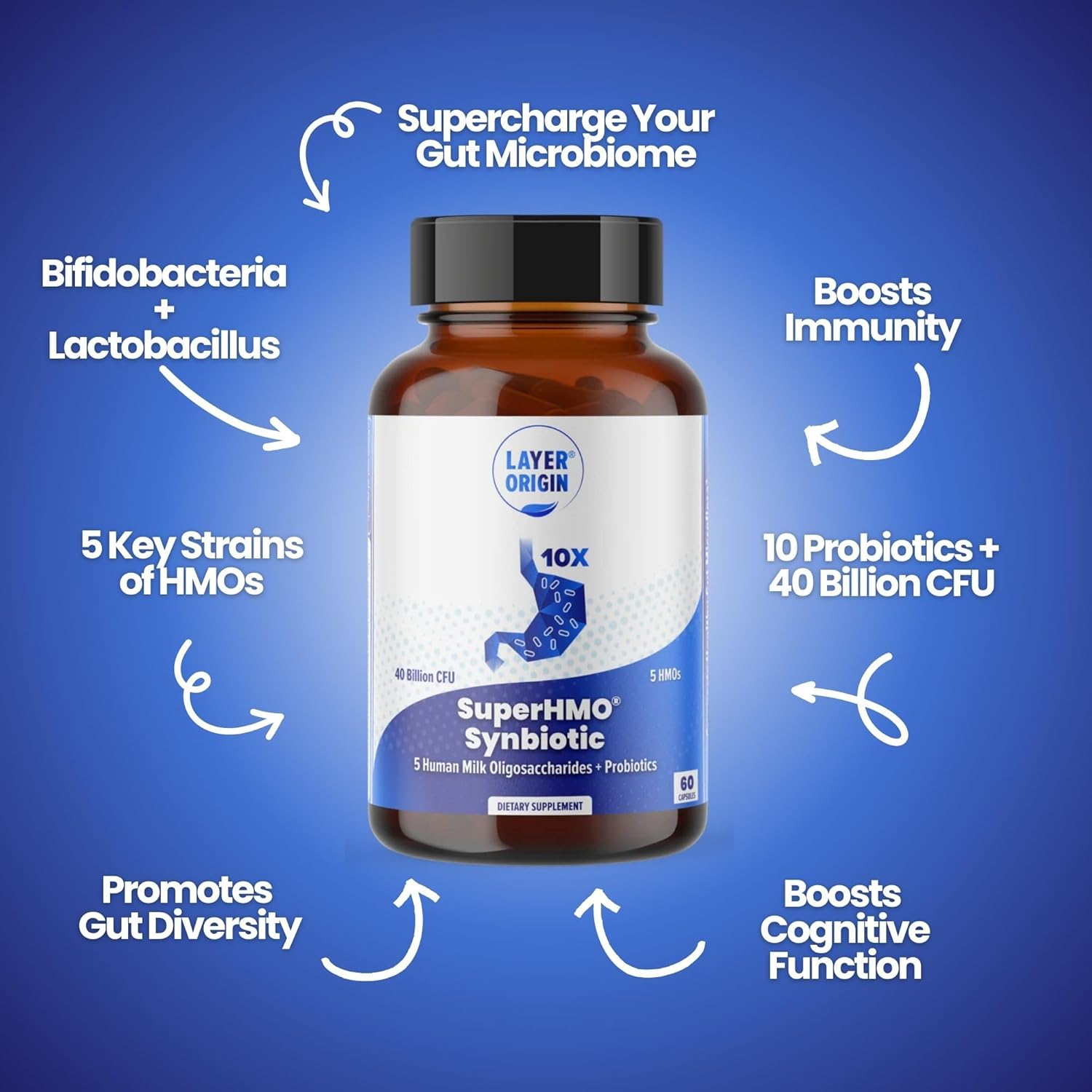
Layer Origins
"Feel better almost immediately I have dysbiosis that has led to SIBO, systemic inflammation, dermatological and joint related issues. On bad flares I get intense joint inflammation and pain to the point of feeling as if I’ve had arthritis for fifty years. Taking this product for just two or three days reverses the inflammation to where I honestly can’t even feel it and my SIBO gas is reduced significantly. This stuff does not make me feel bloated and I can barely tell it is in my shaker" J.
Sodium Butyrate Supplements:
Safety and Use
Butyrate is often studied and consumed in supplement form as sodium butyrate. While research suggests potential benefits, it is important to understand its limitations.
Butyrate supplements are sold as dietary supplements. One challenge is delivery: uncoated sodium butyrate may be absorbed before reaching the colon, which is why some formulations use enteric coatings or microencapsulation. Other forms, such as tributyrin or calcium and magnesium butyrate, are also being studied.
Human clinical studies have used a wide range of doses, commonly between 300 mg and 3,000 mg per day depending on the research goal.
Butyrate supplements are generally well tolerated, although some people experience digestive effects such as gas, bloating, abdominal discomfort, or changes in stool odor. Sodium-containing formulations may require extreme caution for individuals who need to limit sodium intake.
As with any supplement, butyrate should not replace a healthy diet, exercise, or medical care when needed. Supporting the body’s natural production of butyrate through fiber-rich foods and a diverse microbiome remains an important strategy. Supplementation works better for systemic or brain health (tributyrin).
Natural food sources that support butyrate production
Certain foods contain compounds that encourage beneficial bacteria involved in butyrate production.
Pomegranates, for example, contain polyphenols called ellagitannins. Gut bacteria transform these compounds into metabolites that may support beneficial microbes, including butyrate-producing species such as Faecalibacterium prausnitzii and Roseburia.
Other forms of butyrate sold as supplements and key differences:
HMB (β-hydroxy-β-methylbutyrate). HMB has a distinct advantage over sodium butyrate and tributyrin, but only because they serve fundamentally different primary purposes in the body. HMB is a specialized supplement for skeletal muscle preservation and growth, used mostly by athletes and elderly, whereas sodium butyrate and tributyrin are postbiotic supplements used primarily for gastrointestinal and gut barrier health.
Other natural sources of butyrate:
Butter contains about 3% to 4% butyric acid by weight. However, the vast majority of the body’s butyrate is not eaten directly; it is produced internally when gut bacteria ferment dietary fiber. Highest natural concentrations of direct butyrate/tributyrin (grass-fed options often contain higher profiles).
Hard Cheeses: Parmesan and aged goat’s or sheep’s cheeses contain notable amounts.
Whole Milk and Cream: Bovine, goat, and sheep milk provide smaller baseline amounts of short-chain fatty acids.
Your gut microbiome creates the majority of your body’s butyrate by breaking down complex carbohydrates in the colon:
Resistant Starches: Cooked-and-cooled potatoes, green/under-ripe bananas, and legumes.
Whole Grains: Oats, barley, brown rice, and whole wheat. Oat bran.
Prebiotic Vegetables and Whole Fruits: Asparagus, garlic, onions, leeks, artichokes, and apples.