Gut Microbiome Affects the Metabolic Environment Before Adult Diet
by Mary Ferrari
“Adult diet independent immune tolerance precedes obesity, shapes the microbiome and determines transmission/FMT/engraftment success.”
The Modern Microbiome Deviation
What if metabolism and HMO’s are being shaped long before the adult diet ever enters the picture?
For years, obesity and type 2 diabetes were understood primarily through calories, body weight, genetics, physical activity, and lifestyle. Those factors remain but research has progressively revealed another layer of metabolic regulation: the gut microbiome. In their review, “Gut microbiota influence in type 2 diabetes mellitus (T2DM)”, A. L. Cunningham, J. W. Stephens, and D. A. Harris describe the growing evidence that the intestinal microbiota is associated with glucose metabolism and may participate in the development and progression of type 2 diabetes and rather than functioning as a reflection of diet or disease, the microbiome can influence host metabolism through microbial metabolites, intestinal barrier function, inflammatory signaling, and interactions with metabolic tissues.
Early human studies provided evidence that people with type 2 diabetes could have measurably different intestinal microbial communities from people without the disease. In Gut Microbiota in Human Adults with Type 2 Diabetes Differs from Non-Diabetic Adults, Larsen and colleagues reported differences in the relative abundance of major bacterial groups in men with type 2 diabetes and found relationships between particular microbial patterns and glucose levels. These findings helped establish the microbiome as a potential component of metabolic disease research, but observational studies could not determine whether microbial changes contributed to diabetes or simply resulted from the disease, diet, medication, or other factors. With the prevalence of DT1 increasing as well researchers are looking toward environmental factors and have identified dysbiosis as a potential mechanism.
Animal and microbiota-transfer experiments subsequently provided stronger evidence that microbial communities could influence host metabolism. The landmark 2013 study by Ridaura and colleagues, including Dr. Jeffrey Gordon, known as ‘The Father of the Microbiome’ who wrote the paper, was important in this development because microbiota from human twins who were discordant for obesity were transferred into germ-free mice and mice receiving microbiota from obese donors developed greater adiposity and metabolic differences than mice receiving microbiota from lean donors. The study titled “Cultured Gut Microbiota from Twins Discordant for Obesity Modulate Adiposity and Metabolic Phenotypes in Mice” also demonstrated that the microbial environment could change: when mice carrying the different communities were housed together, bacteria from the lean-associated microbiota could establish themselves in recipients carrying the obese-associated community, with accompanying changes in metabolic characteristics. Mice are natural coprophagic rodents. They eat their own feces, specifically soft, nutrient-rich pellets from the floor of their cage as a normal and vital part of their digestive process. Without this behavior, mice can suffer from severe nutritional deficiencies because their digestive systems cannot capture these vitamins on the first pass.
The effects also depended on the diet provided, illustrating that microbial composition and the surrounding nutritional environment cannot be considered separately. The metabolic effects appeared surprisingly quickly. Mice receiving microbiota from the obese twins and consuming the human-derived LoSF/HiFV diet—low in saturated fat and high in fruits and vegetables developed higher levels of several long-chain acylcarnitines in skeletal muscle and liver than mice receiving microbiota from lean twins. Acylcarnitines are intermediates generated during fatty-acid metabolism, and their accumulation in skeletal muscle has previously been associated with insulin resistance. After only 15 days of colonization, the researchers performed a glucose tolerance test. Fifteen minutes after glucose administration, serum glucose averaged 338.5 mg/dL in the Ob-Ob mice compared with 304.6 mg/dL in the Ln-Ln mice. The researchers described this as mild glucose intolerance and suggested that it could represent an early manifestation of the metabolic effects of the obese microbiota rather than established insulin resistance. That distinction is important. The study did not show that the obese microbiota immediately produced full-blown diabetes. In fact, the researchers specifically noted that additional time-course studies would be necessary to determine whether the early glucose abnormality would progress to insulin resistance. What the experiment did demonstrate was that a human-derived microbial community could rapidly influence host metabolism under controlled experimental conditions.
Ridaura and colleagues found that the high-saturated-fat, low-fruit-and-vegetable diet produced greater increases in body mass, particularly fat mass, even in mice receiving microbiota from lean twins. This preliminary finding suggested that microbial effects could not be separated from the dietary environment.
However, later studies showed contradictions in both mice and humans and that tolerogenic dendritic cells can sustain a transmissible gut microbiota capable of driving resistance to diet-induced metabolic alterations.
*The HFD (high fat diet) mouse model usually consists of a lard and soy oil combination because chronic consumption of saturated fats (lard) combined with omega-6 polyunsaturated fatty acids (soybean oil) alters the biochemical environment of the distal gut and is particularly relevant for the study of NAFLD (non alcoholic fatty liver disease). A study in 2013 in BMJ Intestinal microbiota determines development of non-alcoholic fatty liver disease in mice concluded that differences in microbiota composition can determine response to a HFD in mice. These results further demonstrate that the gut microbiota contributes to the development of NAFLD independently of obesity. In 2021 a study in Diabetes Journal showed that Tolerogenic Dendritic Cells Shape a Transmissible Gut Microbiota That Protects From Metabolic Diseases. Finally, another study in BMC Biology Journal published in 2019, results indicate that the intestinal microbiota determines the circulating cholesterol level and may thus represent a novel therapeutic target in the management of dyslipidemia and cardiovascular diseases. In related literature the same group that published many of these studies also showed the effects of vitamins on determining obesity and metabolic syndrome however immune formation appears to take precedence.
Subsequent research made the picture considerably more complex as to what defines a ‘healthy’ microbiota. There is no single bacterial ratio, species, or “diabetes microbiome” that explains type 2 diabetes. Nevertheless, several recurring patterns have been reported, including reduced microbial diversity in some diabetic populations and depletion of certain butyrate-producing organisms such as *Roseburia*, *Faecalibacterium prausnitzii*, *Eubacterium rectale*, *Ruminococcus*, and *Subdoligranulum*. Other potentially important organisms include *Akkermansia muciniphila* and *Bifidobacterium*. The broader evidence indicates that microbial metabolites, including short-chain fatty acids, bile-acid derivatives, indole compounds, and other fermentation products can participate in communication between the gut and metabolic tissues, this differs from establishment.
This complex history eventually led researchers to look beyond the adult microbiome and toward its earliest development and first diet and this includes the effects of obesity on HMO production and/or how breastfed infants differ from formula fed infants regarding growth and weight prior to the establishment of the adult microbiome. They also looked at how HMO’s uniquely influence immune cells isolated from bacteria including bifido and found that HMO’s influence dendritic cells directly. Breast milk provides not only nutrients but a highly selective microbial environment through human milk oligosaccharides (HMOs).
HMOs selectively support infant-adapted bacteria, particularly bifidobacteria, helping establish a distinctive microbial ecosystem during early life.
In summary the modern microbiome story has progressed from identifying microbial differences associated with metabolic disease to understanding a larger ecological system in which microbial membership, nutrition, microbial metabolites, and host metabolism continually interact but without a gold standard for a healthy baseline the information gleaned remains incomplete and can not conclusively explain metabolism without HMO’s.
Landmark 2013 Study on Obesity
Here is a breakdown of “Cultured Gut Microbiota from Twins Discordant for Obesity Modulate Adiposity and Metabolic Phenotypes in Mice”, what they found, and what it means.
- The Core Concept Researchers used germ-free mice and colonized them with gut bacteria obtained from human twins who differed substantially in body weight. Ob-Ob mice received microbiota from an obese twin, while Ln-Ln mice received microbiota from the lean co-twin. The researchers then used controlled diets, including a diet low in saturated fat and high in fruits and vegetables, to examine how the transferred microbiota interacted with the animals’ nutritional environment.
- Finding 1: Obese Bacteria Caused Early Glucose Intolerance After only 15 days, mice carrying the obese-twin microbiota accumulated higher levels of long-chain acylcarnitines in skeletal muscle and liver. When the researchers performed a glucose tolerance test, Ob-Ob mice reached an average serum glucose level of 338.5 mg/dL compared with 304.6 mg/dL in Ln-Ln mice 15 minutes after glucose administration. The researchers characterized this as mild glucose intolerance and an early metabolic effect, not established diabetes.
- Finding 2: Lean-Associated Bacteria Could Invade and Alter the Obese Microbiota When mice carrying the obese microbiota were co-housed with mice carrying the lean microbiota, specific bacteria from the lean community successfully invaded the obese-associated community. Several of the successful invaders were members of the Bacteroidetes, including *Bacteroides uniformis*, *B. vulgatus*, and *Parabacteroides merdae*. Co-housing prevented the increased body-mass phenotype observed in the obese-microbiota mice, and the metabolic abnormalities associated with acylcarnitine accumulation were also rescued.
- Finding 3: Diet Changed the Outcome The researchers found that the protective effect of the lean microbiota was strongly influenced by diet. Under the low-saturated-fat, high-fruit-and-vegetable condition, co-housing prevented the increased body-mass phenotype in mice carrying the obese microbiota. By contrast, the high-saturated-fat, low-fruit-and-vegetable diet produced substantially greater increases in body mass and fat mass, including in mice carrying the lean microbiota. The study therefore demonstrated a “diet-by-microbiota interaction” rather than showing that bacteria operate independently of their nutritional environment.
- Summary: Why This Matters The larger lesson is that the gut microbiome is an ecosystem, not a static list of bacteria. The Ridaura study showed that human microbiota could transmit obesity-associated metabolic characteristics to germ-free mice and that members of a lean-associated community could invade and alter an obese-associated community under particular dietary conditions.
Baseline Microbiota Determines the Metabolic Response to Fecal Microbiota Transplantation
In 2017, Ruud S. Kootte and colleagues provided important human evidence that the intestinal microbiome can influence insulin sensitivity in people with metabolic syndrome. Published in Cell Metabolism, the study compared fecal microbiota transplantation (FMT) from lean donors with autologous transplantation, in which participants received their own microbiota. The study was designed to address an important question: if the gut microbiota contributes to insulin resistance, can changing that microbiota improve glucose metabolism? The results showed that six weeks after receiving microbiota from lean donors, participants experienced a significant improvement in insulin sensitivity, accompanied by measurable changes in their intestinal microbiota and circulating metabolites. By 18 weeks, however, the metabolic improvement was no longer evident, demonstrating that the effect was transient rather than a permanent correction of metabolic dysfunction.
One of the most significant findings was that the response to FMT was not the same for everyone.
The researchers found that the metabolic response depended strongly on the recipient’s microbiota before transplantation.
In particular, individuals with lower fecal microbial diversity at baseline were more likely to experience an improvement in insulin sensitivity following lean-donor FMT. This finding shifts the focus away from the simple idea that introducing bacteria from a lean person automatically produces a healthier metabolic state. Instead, the recipient’s existing microbial ecosystem appears to determine whether newly introduced organisms can establish themselves and produce meaningful metabolic effects. In other words, the condition of the existing microbiome matters because it determines the ecological environment into which the transplanted microorganisms are introduced.
The researchers also detected changes in plasma metabolites, including γ-aminobutyric acid (GABA), alongside the changes in microbial composition. This is important because the microbiome does not influence metabolism simply through the presence or absence of particular bacterial species. Microorganisms continuously produce and modify metabolites that can interact with host tissues and metabolic pathways. The study therefore connected three components: the composition of the intestinal microbiota, the metabolites circulating in the body, and insulin sensitivity. Rather than treating the microbiome as merely a marker associated with metabolic disease, the findings supported a functional relationship in which changing the microbial community could alter metabolic physiology.
Perhaps the most important implication is that microbiome restoration is not simply a matter of adding beneficial organisms. FMT introduced an entire microbial community into an existing ecosystem, yet the improvement in insulin sensitivity was temporary. The baseline microbiota influenced whether the intervention produced a measurable response, while the later disappearance of the metabolic benefit demonstrated how difficult it can be to maintain a new microbial state. This provides an important framework for understanding metabolic disease: the effectiveness of a microbiome intervention may depend not only on what organisms are introduced, but also on whether the recipient’s existing intestinal environment can support their persistence. Kootte and colleagues therefore demonstrated that the microbiome can participate in human metabolic function while simultaneously revealing a critical limitation, the underlying ecological environment may determine whether a beneficial microbial change can be established and maintained.
The Enduring Protection of Bifido
The enduring presence of Bifidobacterium species within the human gut serves as a foundational pillar of metabolic homeostasis, directly linking the early-life microbial baseline to extreme longevity and protection against Type 2 Diabetes (T2D). Comparative metagenomic analyses reveal that while Bifidobacterium populations typically decline with age, centenarians maintain an anomalously dense and diverse population of these taxa, which drastically suppresses systemic inflammation (“inflammaging”) and preserves insulin receptor integrity. This sustained colonization actively mitigates the development of T2D through specific genetic pathways, such as the carbohydrate-regulating glgP gene found in centenarian-enriched strains like Bifidobacterium adolescentis, and the production of short-chain fatty acids that stimulate endogenous GLP-1 secretion. Ultimately, preserving a high abundance of these foundational microbes throughout a lifetime prevents the gut barrier breakdown and metabolic dysfunction that otherwise drive chronic age-related disorders.
A powerful tri-directional relationship exists between Bifidobacterium abundance, extreme longevity (centenarians), and the prevention or alleviation of Type 2 Diabetes (T2D). While scientific technology cannot fully track a single human’s microbiome continuously for 100 years (“lifelong tracking”), global comparative studies mapping infants, adults, diabetics, and centenarians have revealed a clear biological pattern.
1. The Centenarian Paradox: The “Youthful” Microbiome
In the general population, Bifidobacterium peaks during infancy (exclusively breastfed) and steadily declines as humans reach old age. However, global studies on centenarians, individuals who live past 100 while completely escaping or delaying chronic metabolic diseases reveal a striking anomaly.
- The Signature of Long Life: Research mapping centenarians across Italy, Japan, Estonia, and China reveals they have an unexpectedly high abundance and diversity of Bifidobacterium compared to “normal” elderly adults in their 60s and 70s.
- The Supercentenarian Example: When researchers analyzed the gut of Maria Branyas Morera (who lived to be 117), they discovered her microbiome was incredibly rich in the Bifidobacteriaceae family, matching the gut signature of a much younger adult.
- Specific Strains Involved: The specific strains preserved in centenarians include Bifidobacterium adolescentis, B. longum, and B. dentium.
2. The Bifidobacterium and Type 2 Diabetes Direct Link
In parallel to longevity research, diabetes researchers have established a direct, inverse relationship between Bifidobacterium and blood glucose control.
- The Diabetic Deficit: Metagenomic studies uniformly show that patients with Type 2 Diabetes have a severely depleted population of total Bifidobacteria.
- Direct Correlation: Clinical data shows that the absolute amount of Bifidobacteria in the human gut is negatively correlated with blood sugar, specifically fasting blood glucose and 2-hour postprandial (post-meal) blood glucose. The fewer Bifidobacteria you have, the more volatile your blood sugar spikes.
3. The Molecular Mechanism: How Centenarians, Bifido, and T2D Connect
Why does having a high Bifidobacterium population protect centenarians from developing Type 2 Diabetes? The data points to three distinct mechanisms:
A. The glgP Gene & Blood Sugar Regulation
A study published in the journal Food Science and Biotechnology and clinical trials on T2D models evaluated why specific adult-colonizing strains like Bifidobacterium adolescentis (the exact strain enriched in Sardinian centenarians) excel at mitigating diabetes. They discovered that B. adolescentis possesses a highly stable core genome containing a unique blood sugar regulation gene called glgP. This gene gives the bacteria specialized carbohydrate-utilization pathways that actively help stabilize host glucose levels.
B. Crushing “Inflammaging”
Aging is fundamentally driven by inflammaging—a state of chronic, low-grade, systemic inflammation that directly destroys insulin receptors, causing T2D. Bifidobacteria ferment dietary fibers into Short-Chain Fatty Acids (SCFAs) like acetate and butyrate. These SCFAs lock down the gut barrier (preventing leaky gut) and drastically suppress pro-inflammatory cytokines like IL-6 and TNF-alpha. By keeping inflammation near zero, centenarians maintain high insulin sensitivity.
C. Secondary Bile Acid Production
Research published in Nature Aging highlights that centenarians harbor a microbiome highly efficient at metabolizing unique secondary bile acids. Bifidobacteria work synergistically with other longevity-linked taxa to convert primary bile acids into secondary bile acids. These specific molecules bind to the TGR5 and FXR receptors in the human body, which directly triggers the release of GLP-1 (the hormone that stimulates insulin secretion and manages satiety).
Summary
The research collectively paints this picture: A life or diet that successfully maintains the infant-like “Gold Standard” presence of Bifidobacteria into old age prevents the systemic inflammation and gut barrier breakdown that causes Type 2 Diabetes. This metabolic resilience is one of the primary reasons centenarians are able to reach extreme ages without their metabolic systems breaking down.
Source:
1. What the gut microbiome of the world’s oldest person can tell us about aging
2. The role of Bifidobacterium in longevity and the future of probiotics
Tolerogenic Dendritic Cells Shape a Transmissible Gut Microbiota That Protects From Metabolic Diseases
The 2021 study by Lécuyer and colleagues provides important evidence that the relationship between the immune system and the gut microbiota can influence susceptibility to metabolic disease. Rather than viewing the microbiota as an independent driver of obesity and insulin resistance, the researchers examined how tolerogenic dendritic cells (DCs) help shape a gut microbial community that is less inflammatory and metabolically protective. Dendritic cells are antigen-presenting immune cells that help determine how the immune system responds to material encountered in the gut. Under normal conditions, intestinal DCs can promote immune tolerance, but diet-induced obesity is associated with altered intestinal immunity, impaired barrier function, and chronic low-grade inflammation.
The researchers used genetically modified DChBcl-2 mice in which dendritic cells had an extended lifespan. When these mice were fed a high-fat diet for 24 weeks, they gained less weight and substantially less fat than wild-type mice. They also demonstrated greater insulin sensitivity despite comparable food intake, intestinal energy absorption, and energy expenditure. The difference was accompanied by healthier intestinal barrier function and lower markers of intestinal inflammation. The DChBcl-2 mice had higher levels of secretory IgA and increased populations of CD103⁺CD11b⁺ dendritic cells, a population associated with tolerogenic immune activity. Their dendritic cells also maintained greater RALDH activity, an enzyme system involved in converting vitamin A into retinoic acid and supporting intestinal immune regulation.
The immune differences were reflected in the animals’ T-cell responses. High-fat-diet-fed DChBcl-2 mice developed stronger intestinal Th17 and regulatory T-cell responses, along with increased IgA-producing B-cell responses. In the colon, Th17 cells represented approximately 60% of CD4⁺ T cells in the DChBcl-2 mice, with substantially greater numbers than in wild-type animals. The authors connected this response to the activity of tolerogenic dendritic cells and their ability to influence intestinal T-cell differentiation.
Most importantly, the altered immune environment was accompanied by a distinct microbiota.
After exposure to the high-fat diet, DChBcl-2 mice developed a microbial community with lower inflammatory potential and significantly greater butyrate production. Fecal butyrate levels were 2.3-fold higher than in wild-type mice, while bioactive LPS was lower.
This suggests that the immune environment did not merely respond to the microbiota; it helped shape the microbial community itself.
The strongest evidence came from cohousing and fecal microbiota transplantation experiments. When wild-type mice were cohoused with DChBcl-2 mice, the metabolic resistance phenotype was transmitted. Even more strikingly, germ-free mice receiving fecal microbiota from DChBcl-2 donors developed lower weight gain, lower adiposity, greater insulin sensitivity, lower inflammatory microbial products, and higher butyrate levels than mice receiving microbiota from wild-type donors.
The authors therefore concluded that tolerogenic dendritic cells can sustain a transmissible gut microbiota capable of driving resistance to diet-induced metabolic alterations.
The Gold Standard
The World Health Organization (WHO) and UNICEF recognize exclusive breastfeeding as the gold standard for early life because it programs the infant gut microbiota to protect against long-term metabolic dysregulation, significantly reducing the risks of developing childhood obesity and type 2 diabetes later in life. Mechanistically, human milk oligosaccharides (HMOs) selectively fuel the growth of beneficial Bifidobacterium species, which produce short-chain fatty acids that help regulate energy homeostasis, curb pro-inflammatory gut pathways, and promote healthy weight gain trajectories. Conversely, formula feeding alters the infant microbiome in favor of pro-inflammatory taxa and increases gut permeability, which can compromise the metabolic system. According to the World Health Organization Health Topic on Breastfeeding, breastfed children are substantially less prone to diabetes and less likely to become overweight or obese, a protective metabolic lifetime benefit. Breastfeeding and nutrition data is provided by UNICEF Global Nutrition Data, which emphasizes the importance of breastfeeding.
Source:
2013
2021
Gut microbiota influence in type 2 diabetes mellitus (T2DM)
2010
Gut Microbiota in Human Adults with Type 2 Diabetes Differs from Non-Diabetic Adults
2017
2025
This clinical evidence supports the role of HMOs as prebiotics, preferentially stimulating the growth and activity of beneficial bacteria such as Bifidobacterium, Bacteroides, and helicon strains in infants and children (15, 17, 19, 25, 42, 44, 45). A diverse and abundant bifidobacterial community during early life is associated with positive extended health outcomes (46). In contrast, reduced abundance and diversity of Bifidobacteria have been linked to medical conditions such as allergies (47), dermatitis (48, 49), and pediatric obesity (50). Fonvig et al. (34) demonstrated that infant formula supplemented with 2′-FL and LNnT significantly increased Bifidobacteria abundance in overweight children after 4 and 8 weeks. In addition, an amino acid-based formula (AAF) supplemented with these two HMOs significantly enriched HMO-utilizing Bifidobacteria and reduced the abundance of fecal Proteobacteria in infants with CMPA. These findings suggest that the HMO-supplemented formula may help to correct gut microbial dysbiosis in CMPA infants (25).
2026
HMO supplementation to improve metabolic health is a relatively recent area of clinical research, and there is currently insufficient supportive evidence. However, pre-clinical trials indicate that HMO supplementation may lead to metabolic health benefits. Evidence shows that HMOs affect the gut microbiome and that the gut microbiome can influence adiposity and obesity risk. This latter causal relationship has been shown in animal models involving fecal microbiota transfer (FMT) from human adults with lean or obese phenotypes to gnotobiotic (germ-free) mice [4]. Compared with mice who received FMT from lean adults, mice who received FMT from adults with obesity had increased adiposity, despite consuming the same diet [4]. This effect could be prevented by subsequent exposure to the “lean” microbiome. Notably, evidence from a human clinical trial revealed that gut microbiome modification can influence weight gain: adolescents with obesity who received FMT from lean donors had a smaller waist circumference, lower total body fat percentage, and lower metabolic syndrome severity scores than did those in the placebo group four years after a single FMT [5]. What is yet to be investigated is direct evidence from clinical trials linking HMO supplementation to gut microbiome changes in a way that leads to clinical outcomes related to metabolic health and obesity.
2022
High-fat diet (HFD) is widely used in animal models of many diseases, it helps to understand the pathogenic mechanism of related diseases. Several dietary fats were commonly used in HFD, such as corn oil, peanut oil, soybean oil, sunflower oil, and lard. However, it was reported that different dietary fat could have completely different effects on physiological indicators and the gut microbiome, and the sources of dietary fat used in high-fat diet research have not been comprehensively compared.
The source of the fat significantly affects the results of high-fat diet intervention
2012
Intestinal microbiota determines development of non-alcoholic fatty liver disease in mice
2019
2021
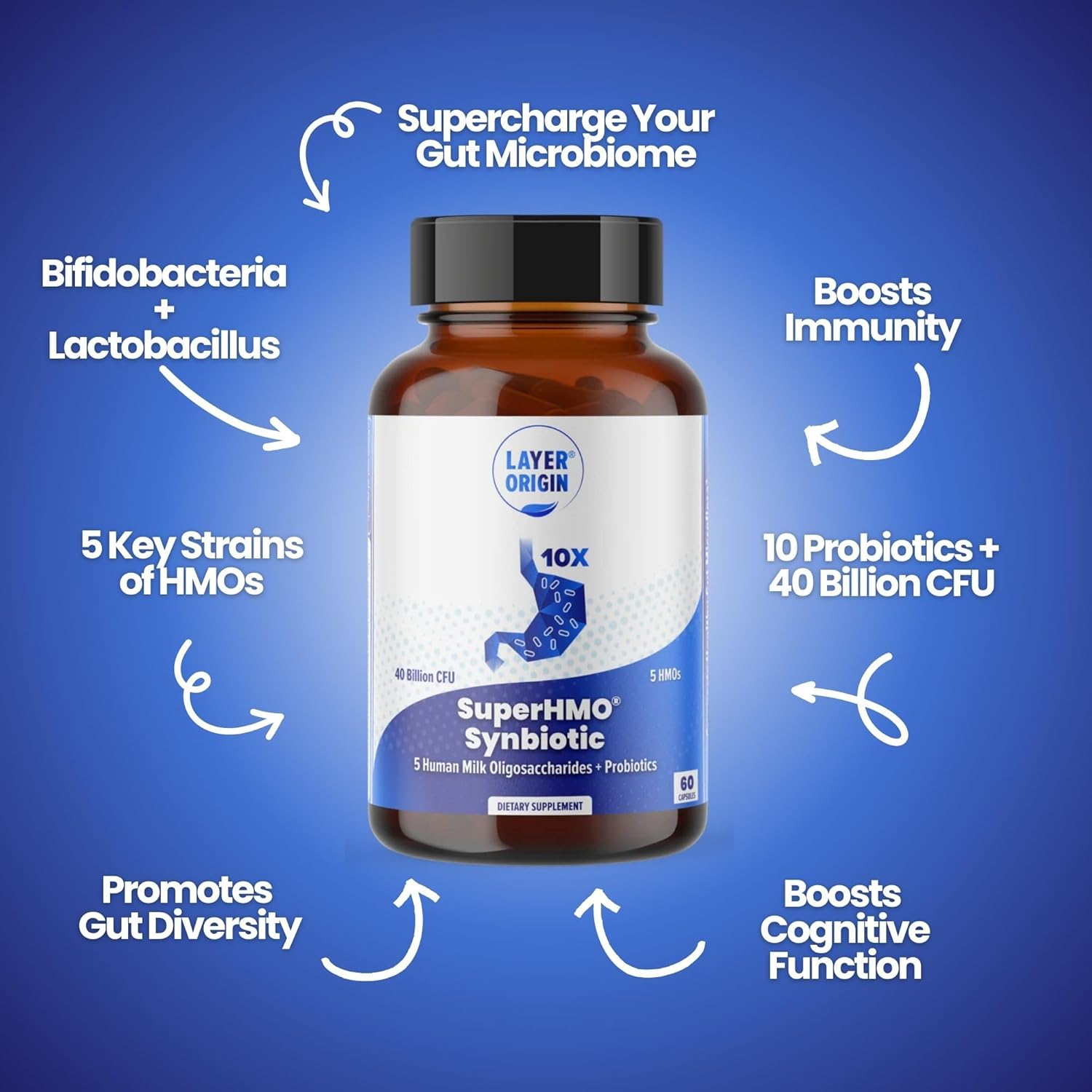
Layer Origins
"Feel better almost immediately I have dysbiosis that has led to SIBO, systemic inflammation, dermatological and joint related issues. On bad flares I get intense joint inflammation and pain to the point of feeling as if I’ve had arthritis for fifty years. Taking this product for just two or three days reverses the inflammation to where I honestly can’t even feel it and my SIBO gas is reduced significantly. This stuff does not make me feel bloated and I can barely tell it is in my shaker" J.