Gut Microbes of Healthy Seniors
by Mary Ferrari
For decades scientists have searched for the biological factors that help some people live well into their 90s and even past 100 years of age. Innovative researchers are looking beyond genetics and focusing on the gut microbiome, the massive ecosystem of microbes living inside the human digestive tract. Among the many bacterial groups being studied, Bifidobacterium species continue to emerge as some of the most important organisms associated with health, resilience, and potentially longevity.
A recent scientific review examining Bifidobacterium and aging analyzed studies from Japan, China, and other regions to better understand how these bacteria change throughout the human lifespan and why they may be linked to healthy aging. The findings suggest that maintaining beneficial Bifidobacterium populations may play a critical role in preserving immune function, digestion, metabolic balance, and overall health during aging.
One of the largest studies discussed in the review came from Japan in 2017. Researchers examined 441 healthy individuals ranging from newborns to centenarians in order to track how Bifidobacterium species shift over time. The study found that Bifidobacterium longum remained the dominant species throughout life, with detection rates of nearly 88% across all age groups. This suggests that B. longum may be one of the core microbial species supporting human gut health from infancy through extreme old age.
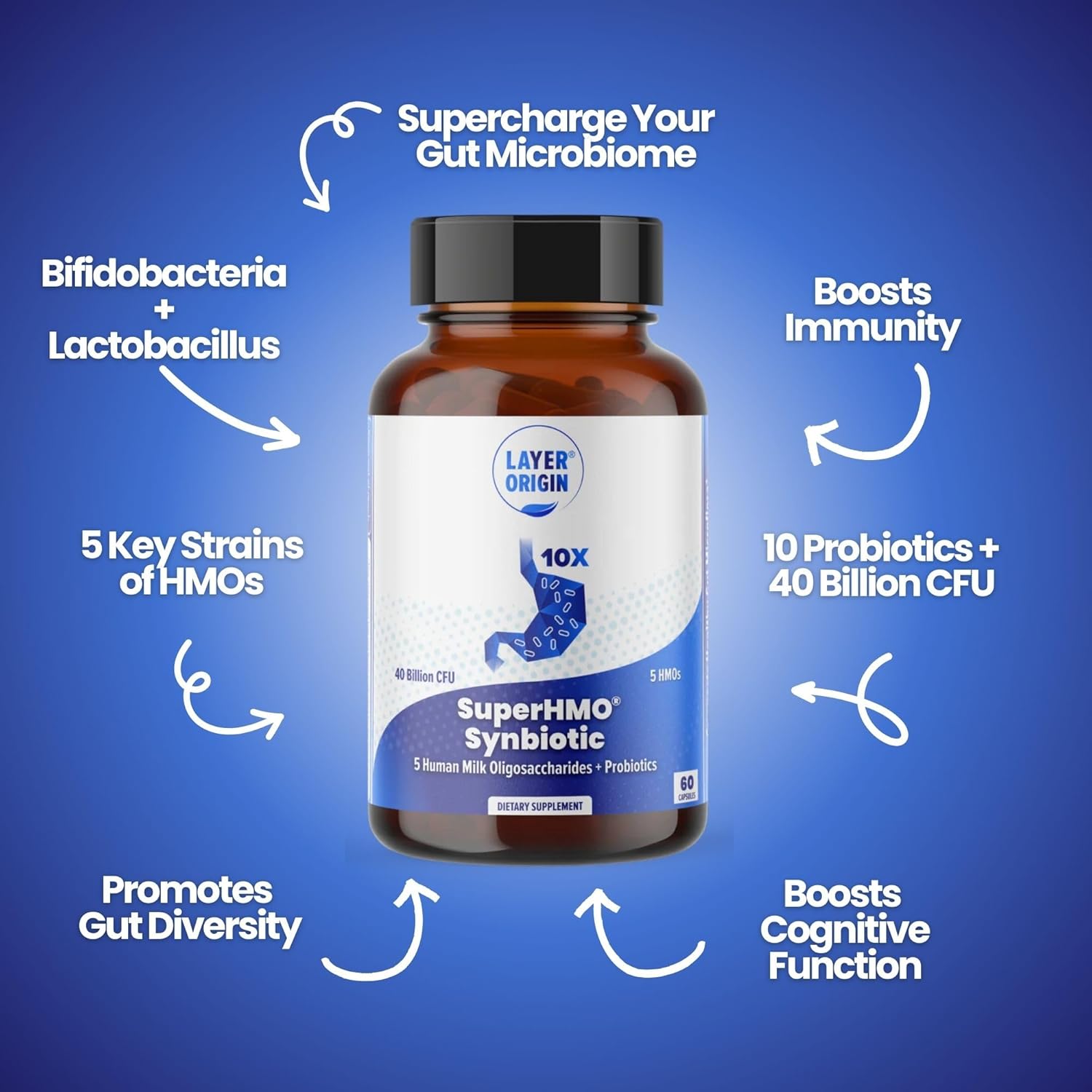
Other species also appeared to play age specific roles. Bifidobacterium breve was especially common in infants and young children, where it was detected in more than 70% of breast fed children under three years old. Researchers believe B. breve is particularly important during early immune and neurological development because it helps metabolize human milk oligosaccharides (HMOs), specialized sugars found in breast milk that nourish beneficial bacteria.
As people aged different microbial patterns began to emerge. Species such as Bifidobacterium dentium became more common in older adults and centenarians, suggesting that certain strains may help the aging gut adapt to changing dietary patterns, metabolism and immune function. The researchers also observed strong relationships among several Bifidobacterium species, indicating that these microbes may work cooperatively within the gut ecosystem rather than functioning independently.
Another fascinating study came from Bama County in Guangxi Province, China, a region known for its unusually high number of centenarians. Researchers compared the gut microbiomes of people aged 100 to 108 years with younger elderly individuals between 80 and 99 years old. The centenarians showed greater diversity of Bifidobacterium species than the younger elderly groups. In particular, B. dentium and B. longum remained dominant, while several additional species appeared almost exclusively in centenarians.
Scientists believe diet may partly explain these differences. Traditional diets rich in fiber, fermented foods, and complex carbohydrates may help nourish Bifidobacterium populations throughout life. Researchers noted that some centenarian-associated species possess extensive carbohydrate metabolism genes, allowing them to break down difficult plant fibers and generate beneficial metabolites that support gut health and immune regulation.
The review also highlighted a broader pattern seen across the lifespan: Bifidobacterium levels naturally decline with age. In infancy, bifidobacterial levels can reach approximately 11 log CFU/g in fecal samples, but these levels steadily decrease through adulthood and old age. By advanced age levels may decline by as much as 99% compared to infancy. Researchers believe this loss may contribute to increased inflammation, weakened immunity, digestive problems, and greater vulnerability to chronic disease during aging.
Importantly, the review emphasized that not all probiotics function equally. While many commercial probiotic products focus heavily on Lactobacillus species, several studies suggest that Bifidobacterium species may play a more dominant role in maintaining a healthy human gut ecosystem. A 2020 Gut Microbiome Health Index study identified multiple Bifidobacterium species among the microbes most strongly associated with healthy individuals.
Researchers also discussed studies involving probiotic supplementation. In one infant study involving 234 infants, supplementation with Bifidobacterium and Lactobacillus species led to increased Bifidobacterium dominance while reducing potentially pathogenic microbes such as Klebsiella, Escherichia, and Enterobacter. Another study in elderly adults found that supplementation with Bifidobacterium fermented soy products significantly increased fecal Bifidobacterium levels while decreasing less favorable bacterial groups.
The review concludes that future probiotic development will likely focus on creating highly specialized Bifidobacterium strains with strong intestinal colonization ability. Scientists are now investigating next-generation probiotics, live biotherapeutic products, postbiotics, and other microbiome based therapies aimed at restoring healthier gut ecosystems throughout life.
Although researchers caution that longevity is influenced by many factors including genetics, diet, environment, exercise, and healthcare access the evidence increasingly suggests that Bifidobacterium may represent one of the foundational microbial groups supporting healthy aging. The gut microbiomes of centenarians may offer an important glimpse into what a resilient human microbiome looks like across an entire lifetime.