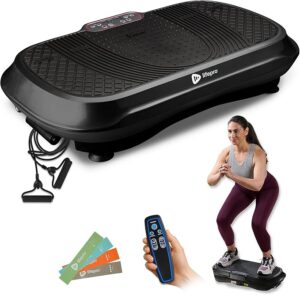
How Vibration Platforms May Support Bone Marrow and Stem Cell Health
Bone health is often discussed in terms of calcium intake or bone mineral density, but what happens inside the bone marrow is just as important. The bone marrow is home to mesenchymal stem cells (BMSCs), which play a central role in maintaining strong, resilient bones. These stem cells can develop into either bone-forming cells (osteoblasts) or fat cells (adipocytes). As we age, this balance often shifts toward fat formation, contributing to weaker bones and increased fracture risk. Emerging research suggests that vibration platforms may help shift this balance back toward bone formation.
The Role of Bone Marrow Stem Cells in Bone Strength
BMSCs are responsible for replenishing osteoblasts throughout life. When these stem cells favor osteoblast development, bones remain dense and strong. When they instead become fat cells, marrow fat increases and bone formation declines. This process is commonly seen in aging, osteoporosis, and sedentary lifestyles. Supporting the healthy differentiation of BMSCs is therefore a key target for maintaining long-term skeletal health.
How Mechanical Vibration Influences Stem Cell Behavior
Bone marrow stem cells are highly responsive to physical forces. Vibration platforms deliver low-magnitude, high-frequency mechanical signals that stimulate cells through a process known as mechanotransduction. This allows stem cells to convert mechanical input into biological signals that affect gene expression and cell fate.
Laboratory studies show that vibration increases markers of bone formation, including alkaline phosphatase activity and calcium mineralization. It also boosts the expression of genes associated with osteoblast development, such as RUNX2 and collagen type I. These changes indicate that vibration encourages stem cells to move toward a bone-building pathway.
Key Signaling Pathways Activated by Vibration
One important pathway involved in this response is the p38 MAPK signaling pathway. This pathway helps cells respond to mechanical stress and plays a major role in directing stem cell differentiation. Studies have demonstrated that vibration activates p38 MAPK in BMSCs, leading to enhanced osteogenic activity.
Another critical pathway influenced by vibration is Wnt/β-catenin signaling. This pathway strongly promotes bone formation while inhibiting fat cell development. Increased Wnt signaling helps maintain a bone-friendly environment in the marrow and supports long-term skeletal integrity.
Reducing Marrow Fat: An Often Overlooked Benefit
Beyond stimulating bone formation, vibration also appears to reduce the tendency of BMSCs to become fat cells. Research shows that vibration suppresses adipogenic genes such as PPARγ, which are responsible for fat cell development. This is especially important because increased marrow fat is closely linked to bone fragility and metabolic aging. By limiting fat accumulation in the marrow, vibration helps preserve a healthier stem cell environment.
Adiposity refers to the state or condition of having excess body fat or obesity, but often used in a clinical context to describe the degree of fat accumulation and its health impact rather than just weight
Evidence from Animal and Human Studies
Animal studies provide strong support for these cellular findings. In aging and disuse models, low-magnitude vibration improved bone mineral density, preserved bone structure, and maintained the osteogenic potential of bone marrow stem cells. Even during periods of reduced physical loading, vibration helped protect the bone-forming capacity of the marrow.
Human studies, including randomized trials and meta-analyses, suggest that whole-body vibration may offer modest improvements in bone density, particularly in postmenopausal women and individuals at risk for bone loss. While vibration is not a replacement for nutrition or exercise, it appears to be a useful supportive strategy.
Integrating Vibration into a Wellness-Focused Bone Health Strategy
For individuals focused on healthy aging, vibration platforms may complement traditional approaches such as resistance training, nutrition, adequate protein intake, vitamin D and calcium from whole fat mammal milk, magnesium, and bone-supportive supplements like bovine colostrum. By targeting bone marrow stem cells directly, vibration offers a unique, non-pharmacological way to support skeletal health from the inside out.
Conclusion
Research suggests that vibration platforms can positively influence bone marrow and stem cell development by encouraging BMSCs to become bone-building osteoblasts rather than fat cells. Through well-studied mechanical signaling pathways, vibration supports bone density, reduces marrow fat, and helps preserve skeletal strength. While more research is ongoing, current evidence supports vibration as a promising wellness tool for long-term bone health.